Reading the Mountain
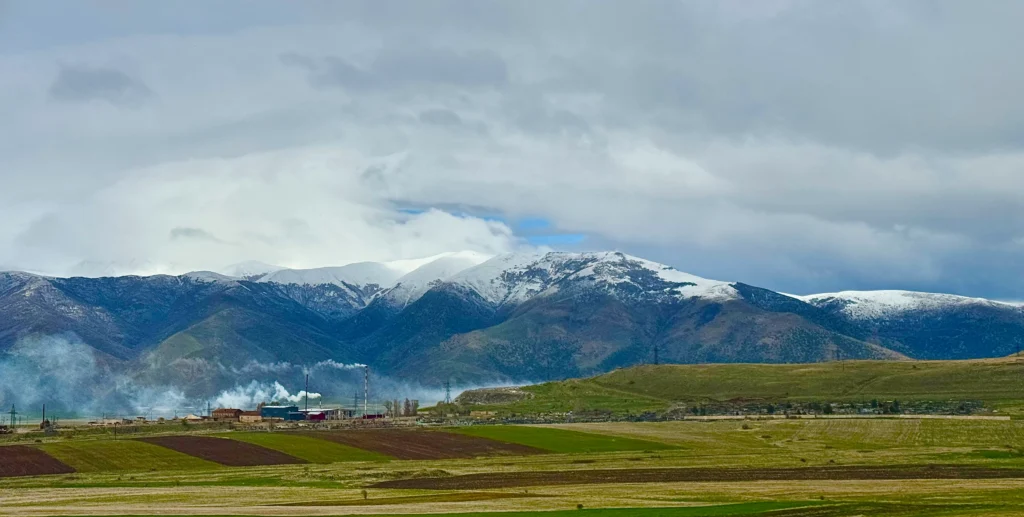
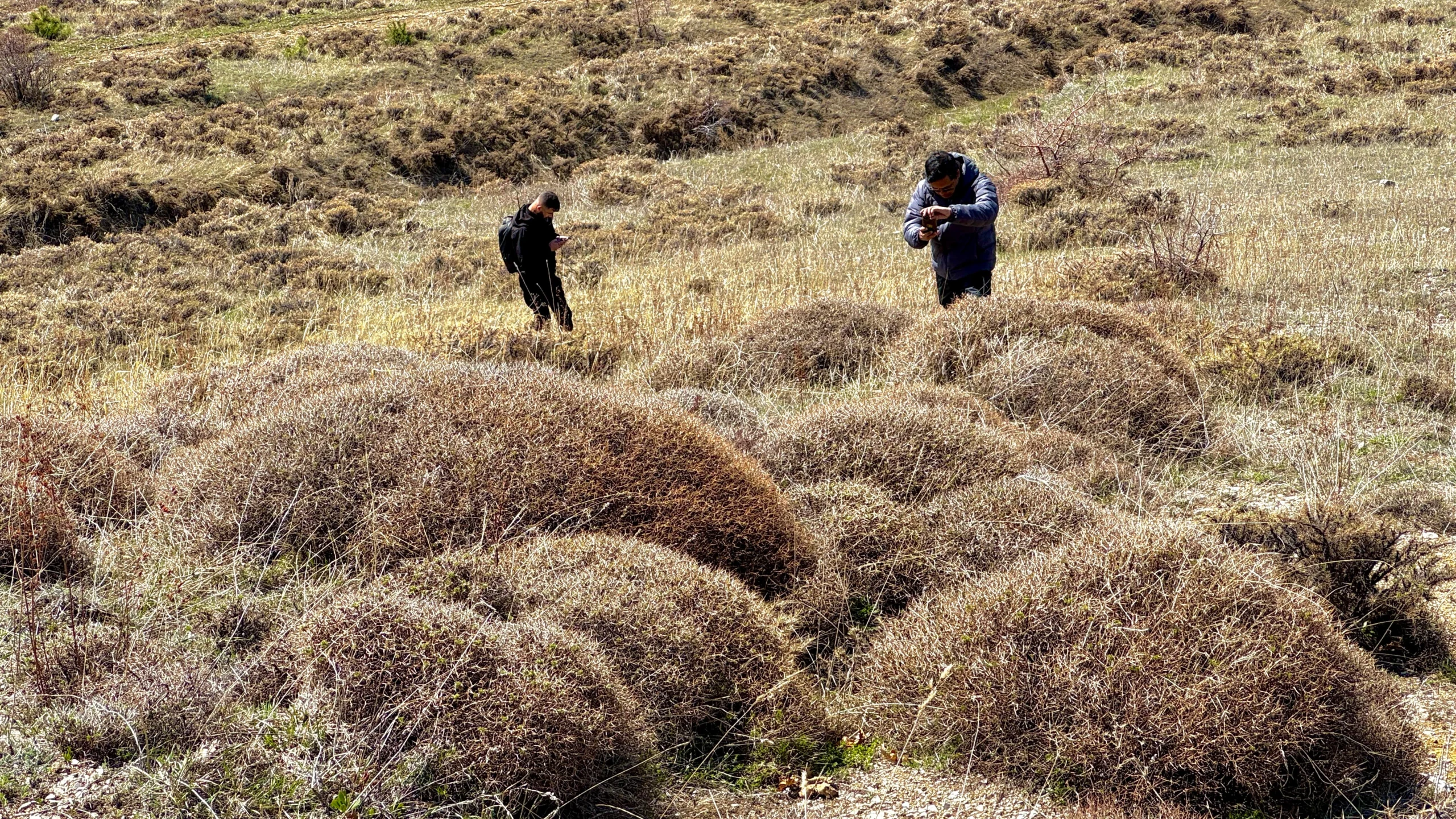
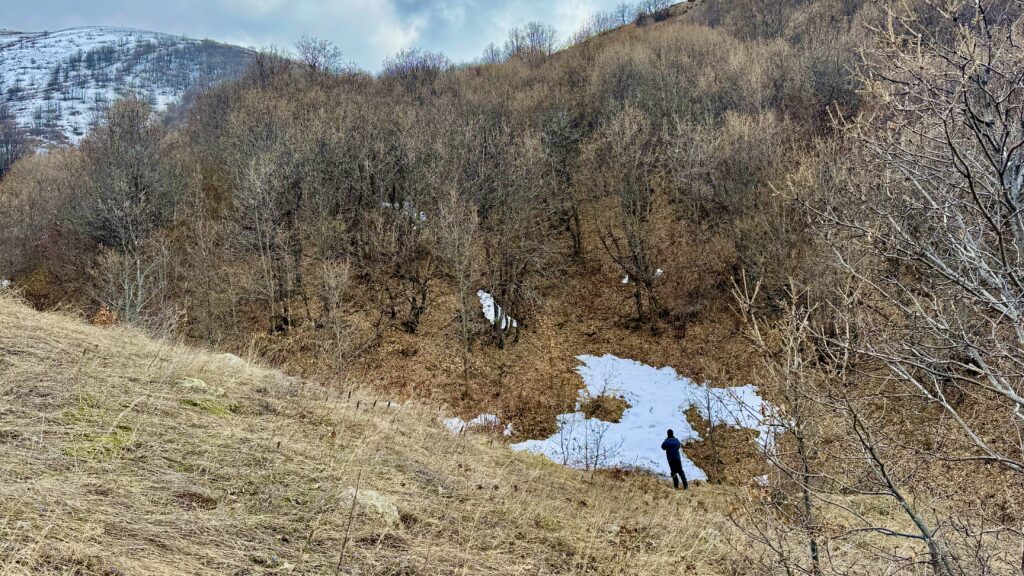
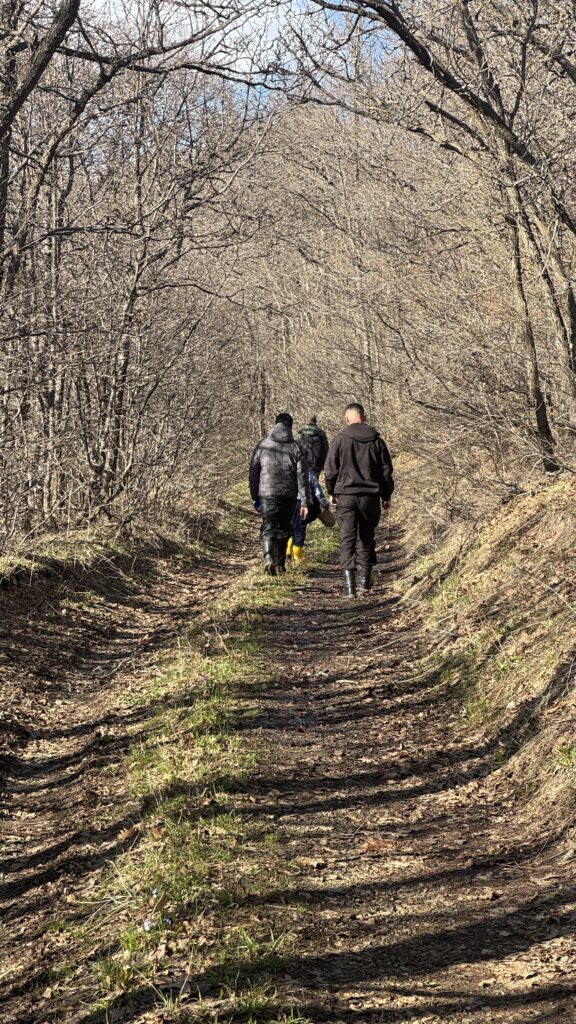
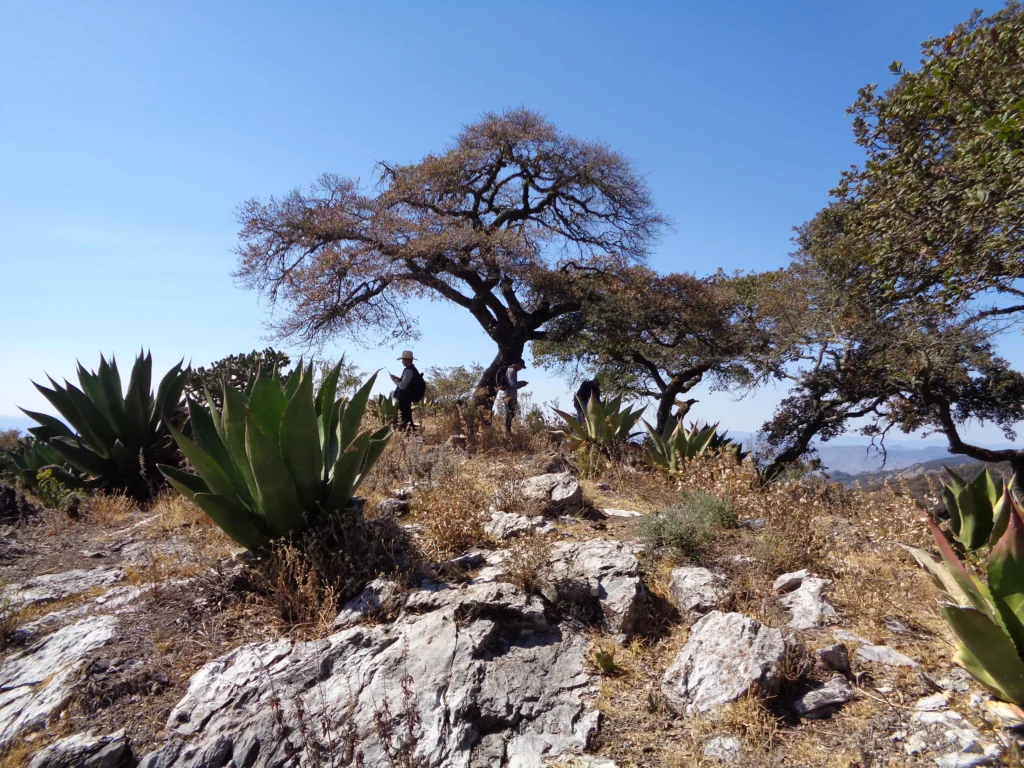
The project began by walking the land. Ridges were traced, old snowmelt routes followed, and subtle seep pockets mapped where moisture still paused beneath grasses and shrubs. Native plant phytosocial communities such as Oak, Hornbeam, Beech, Ash and wild rose — acted as ecological indicators, revealing where water once lingered and where it had been lost. These early days were about listening rather than intervening, allowing the mountain to show how it had functioned before disruption.
Soil, Slopes, and Human Legacy
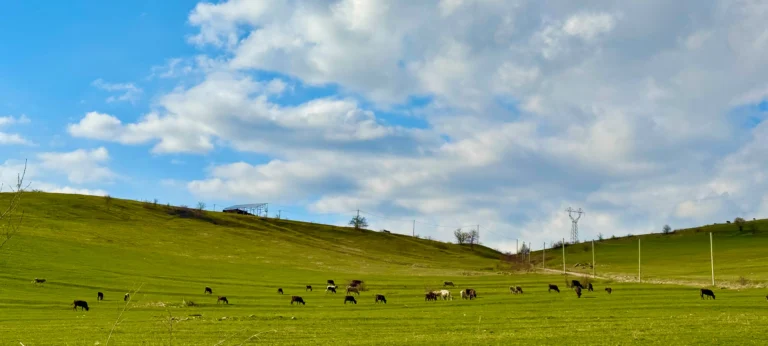
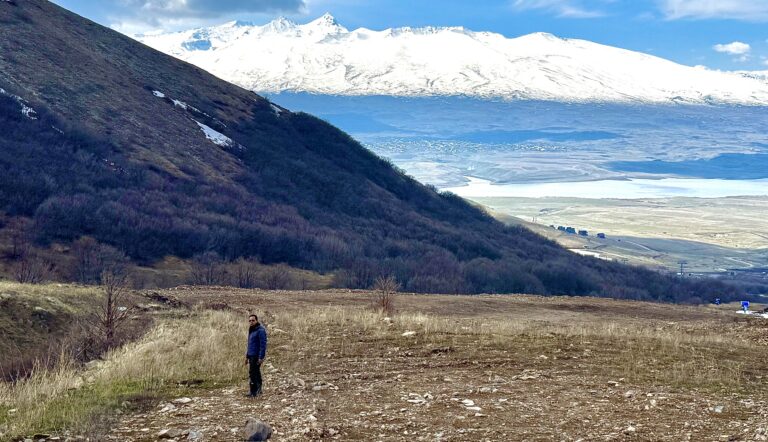
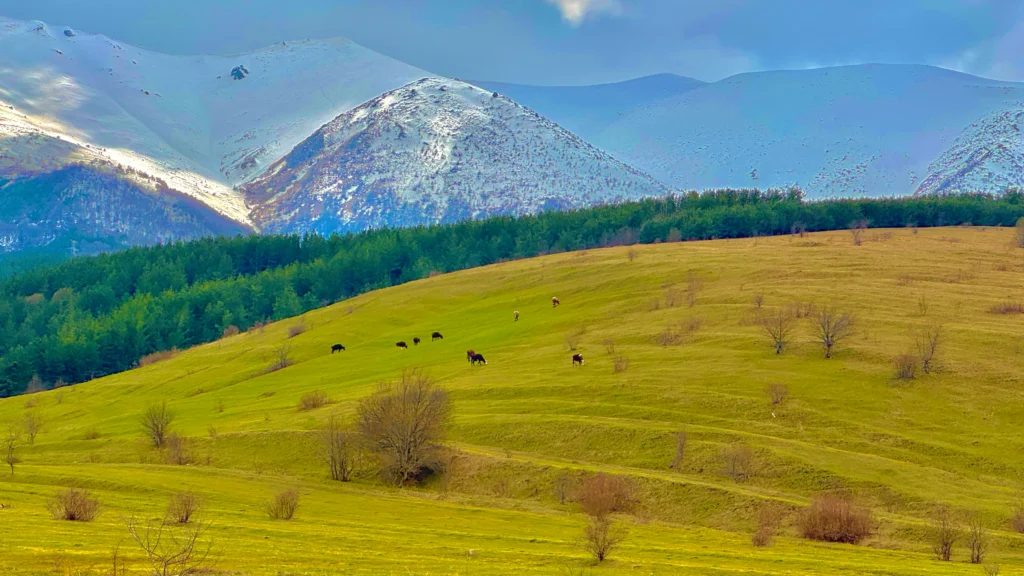
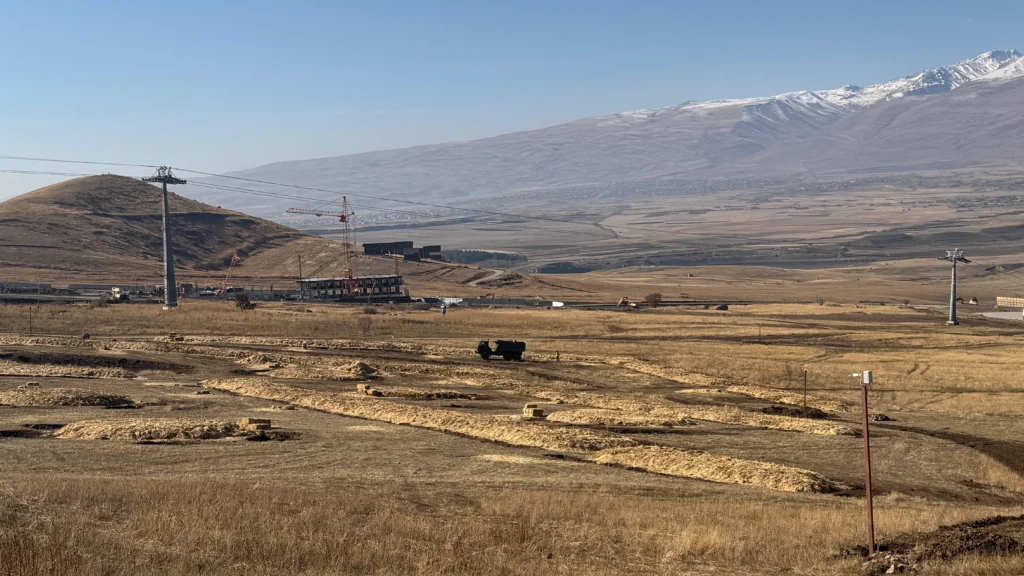
With natural patterns identified, attention turned to soils and slopes. Soil depth, underlying geology, organic matter, and compaction were studied across ski runs, abandoned zones, and grazing lands. Many slopes bore the imprint of Soviet-era land use and later development: compacted surfaces, erosion scars, and simplified vegetation. Extensive grazing and forest clearing for industrial and domestic use had further weakened the land’s ability to hold water. Non-native pine plantations on lower slopes intensified drying, masking the native forest structures that once moderated snowmelt and soil moisture.
Working with Water
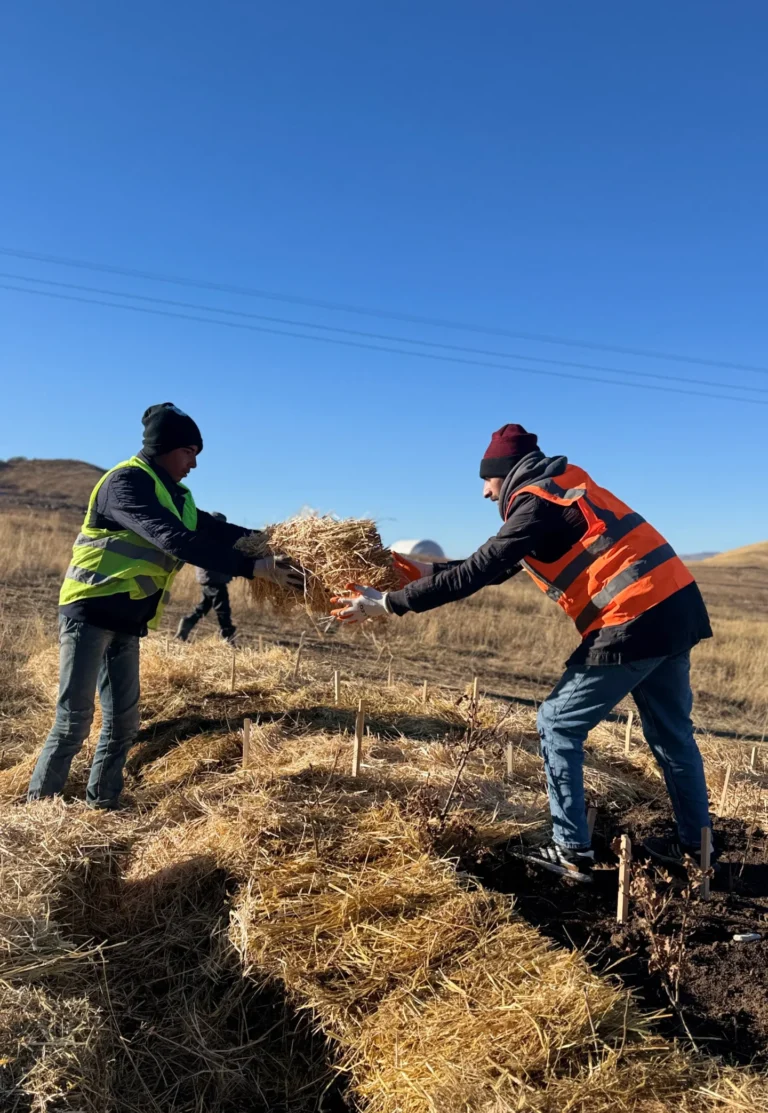
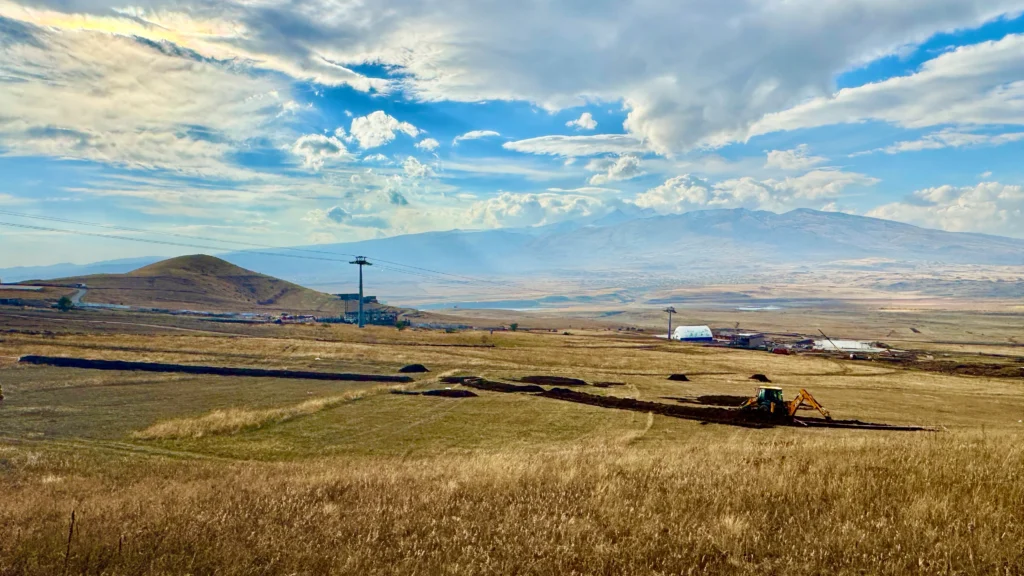
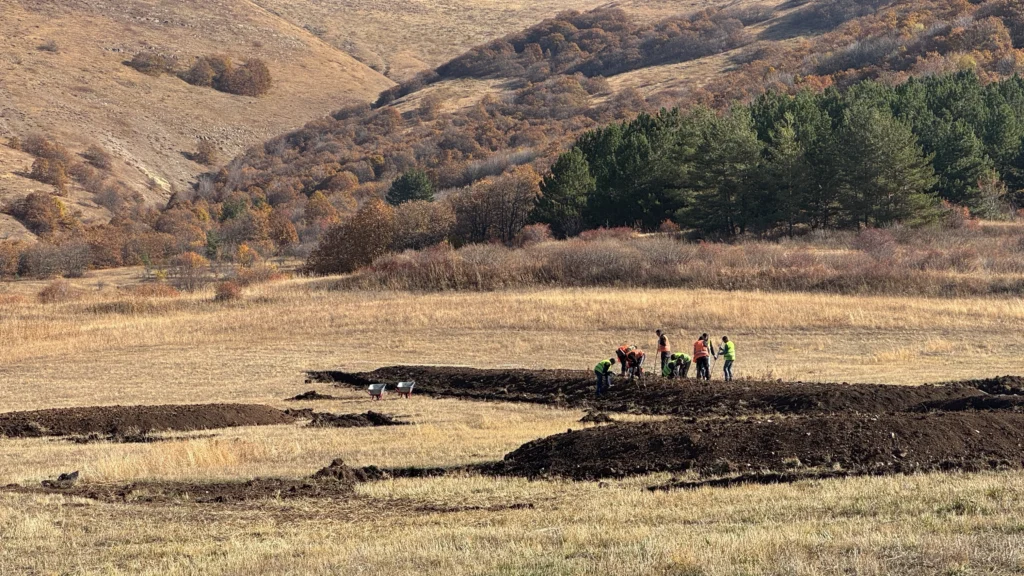
A Foundational Step: Rather than addressing vegetation first, the project focused on water as the organising force. The intention was not to control water, but to slow it, spread it, and allow it to re-enter the soil. Keyline-based trenches, contour swales, small catchments, and revived seep points were carefully placed where the land could naturally hold moisture again. On ski slopes and eroded ridges, these interventions aim to reduce rapid runoff, stabilise soils, and create conditions where snow can persist longer into the season.
Preparing the Ground for Ecological Return
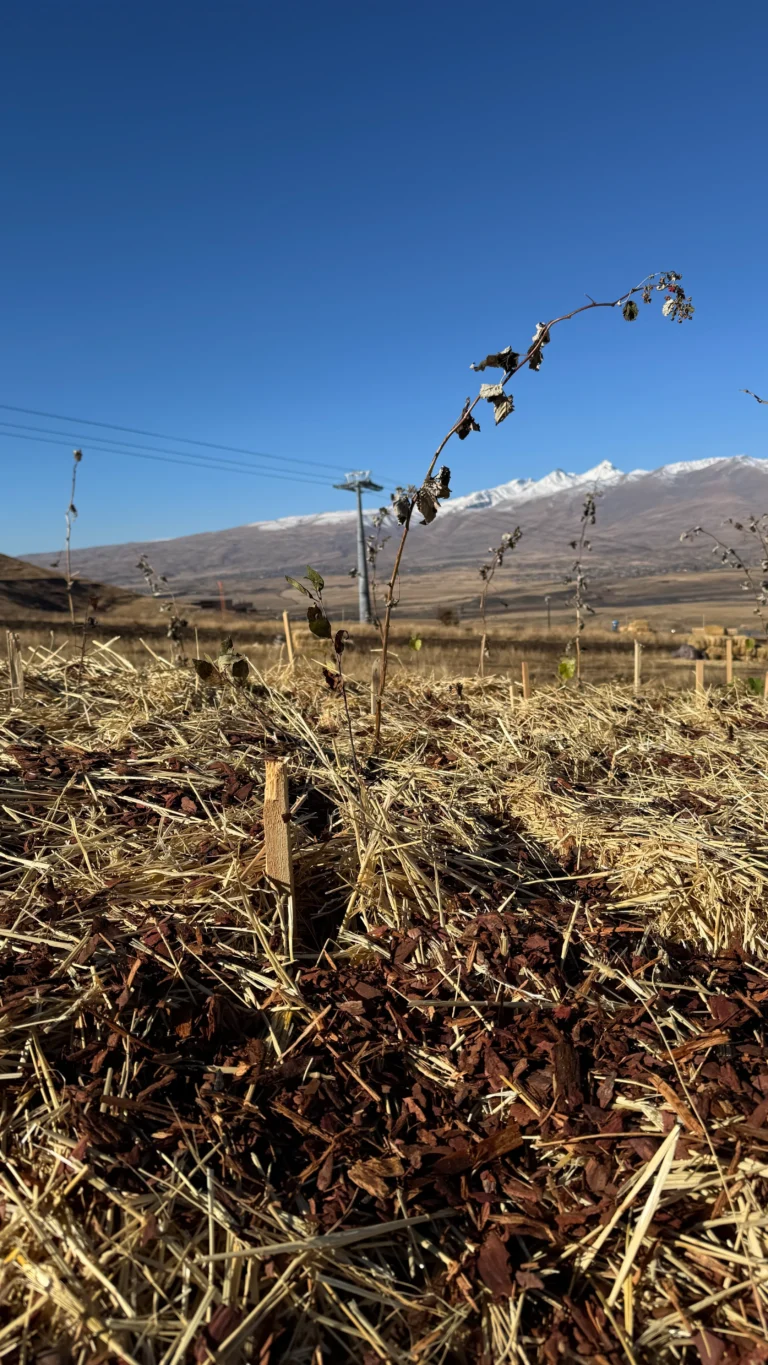
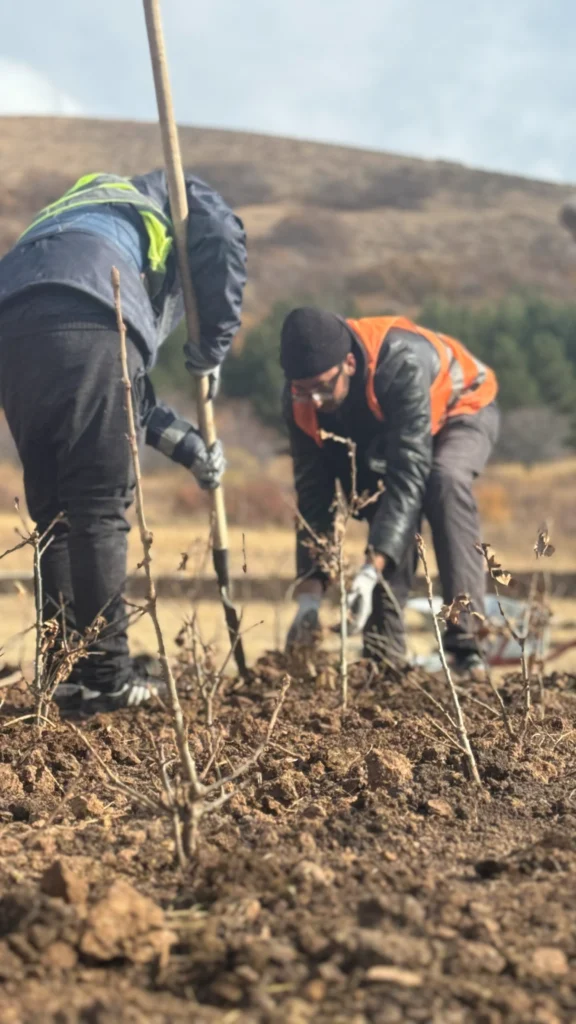
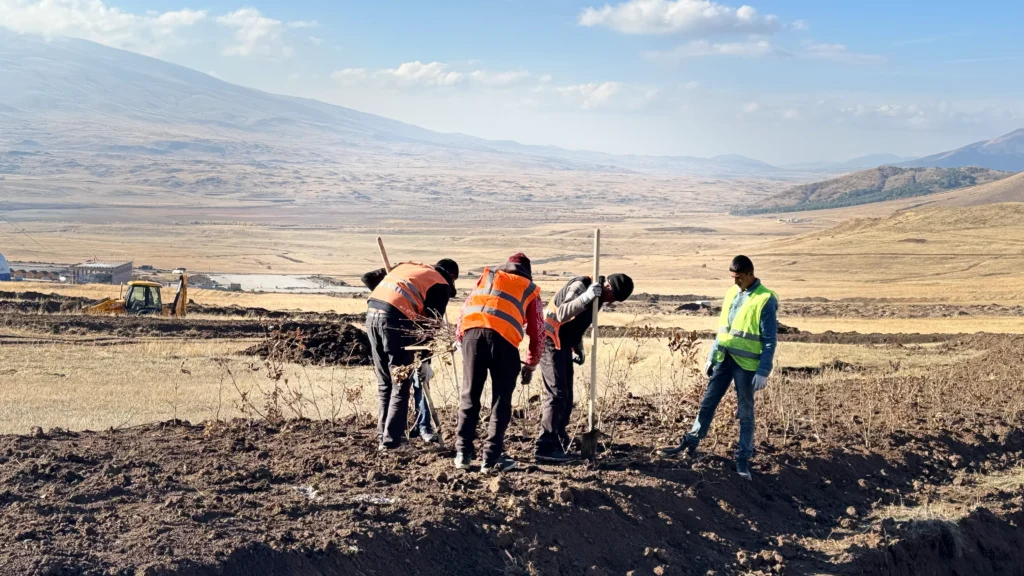
With hydration pathways re-established, the landscape becomes ready for ecological work. Pioneer species, shrubs, and deep-rooted native plants have been selected and placed according to slope sensitivity and water movement. These early interventions are designed to stabilise soil, create shade, and begin rebuilding microclimates that support longer snow retention and gradual forest return. At this stage, the focus remains on alignment and preparation rather than outcomes.
A Broader Landscape Possibility
Across mountain regions worldwide, ski landscapes are facing converging pressures: shorter snow seasons, faster melt, unstable slopes, and rising ecological and economic risk. Restoration at this scale is no longer optional. It is becoming the only viable path forward.
Afforestt’s work in Armenia is intended to seed this possibility. By restoring hydrology first, rebuilding soil stability second, and allowing native forests to return over time, large mountain systems can regain resilience. These principles are not unique to Armenia. They are applicable wherever degraded high-altitude landscapes need to balance ecology, climate realities, and long-term economic survival.
This project marks the beginning of that journey — not as a claim of success, but as a commitment to restoring mountain landscapes with patience, humility, and ecological logic.