Forests of the Mediterranean: Afforestt in Tunisia

At the meeting point of the Mediterranean Sea and North Africa’s ancient landscapes, this project marks Afforestt’s first step into the Mediterranean forests of Tunisia. Rooted in ecological research and guided by native plant communities, the work brings together science, tradition, and hands-on learning to reintroduce lost forest complexity. By observing remnant ecosystems and translating them into living designs, this forest was created not as an installation, but as a continuation of landscapes that once thrived here. It stands as a beginning, carrying forward a Mediterranean legacy of native forests shaped by resilience, diversity, and time.

Category

Hospitality

Ecology and Flora

Mediterranean Forests, woodlands and scrub

Location

Tunisia

Highlights

First Afforestt project in North Africa on the Mediterranean coast, Tunis.

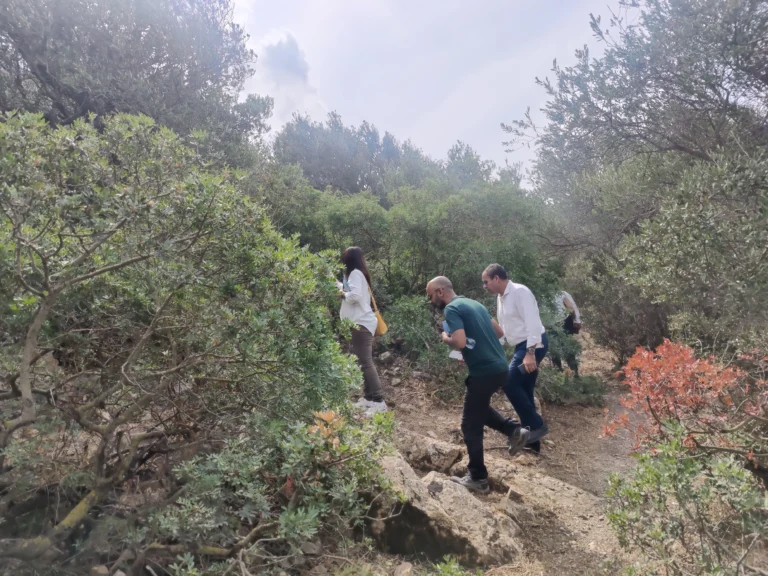
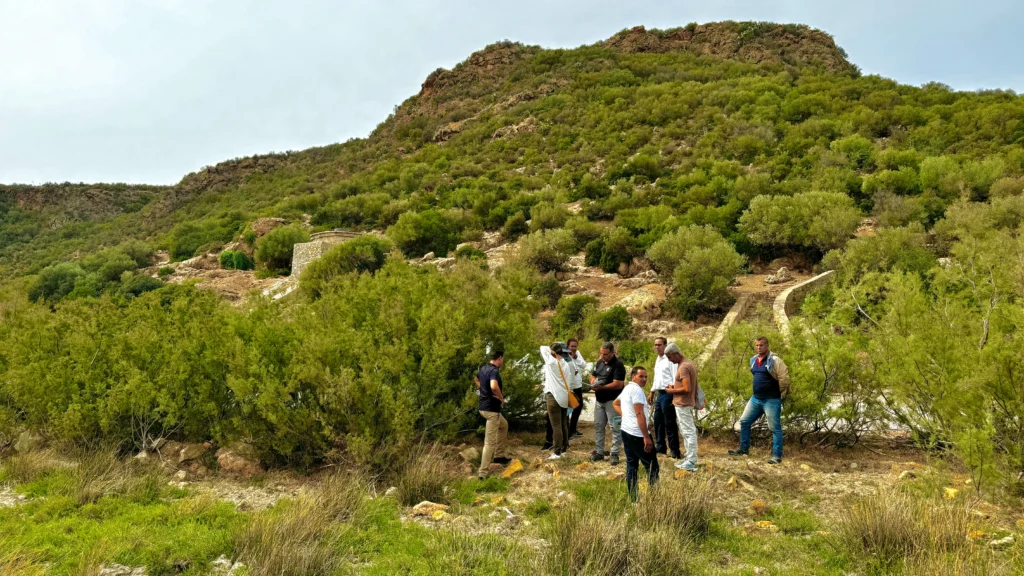
Research & surveys (September 18–20, 2024) mapped native plant communities at Ichkeul National Park and Djebel Zaghouan.

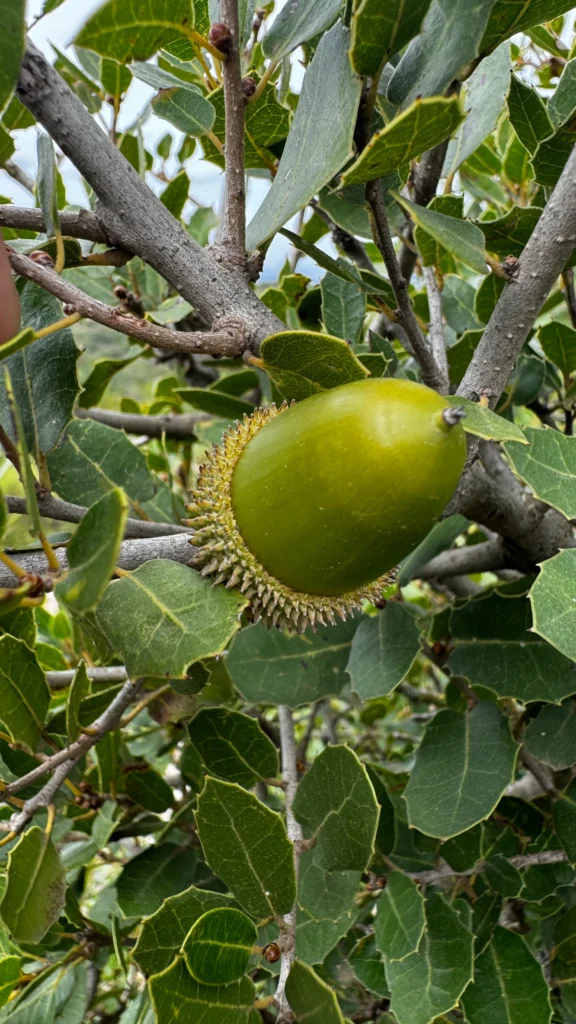
25+ native keystone species identified and used, including Olea europaea, Quercus ilex, Pistacia lentiscus, and Pinus halepensis.

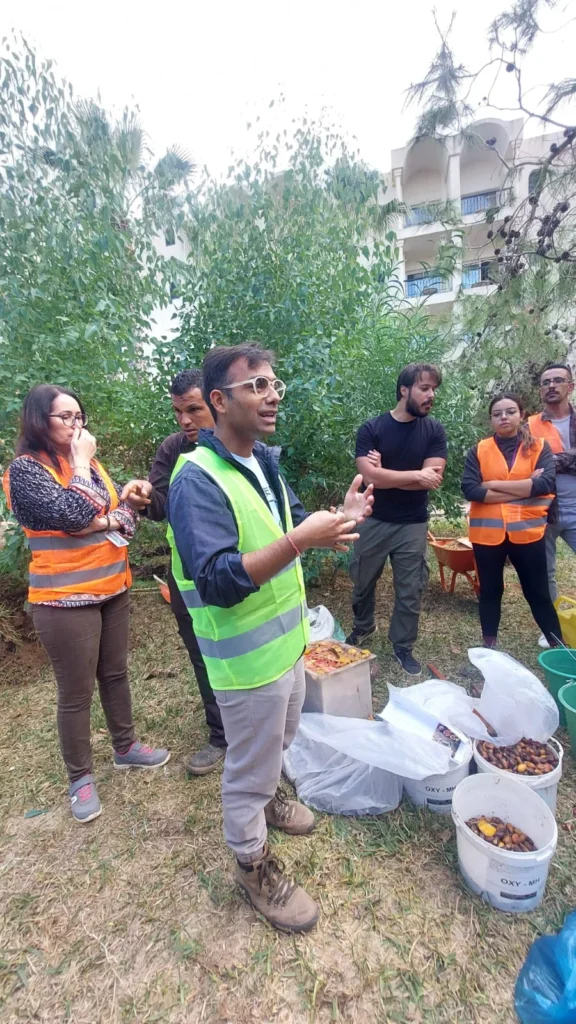
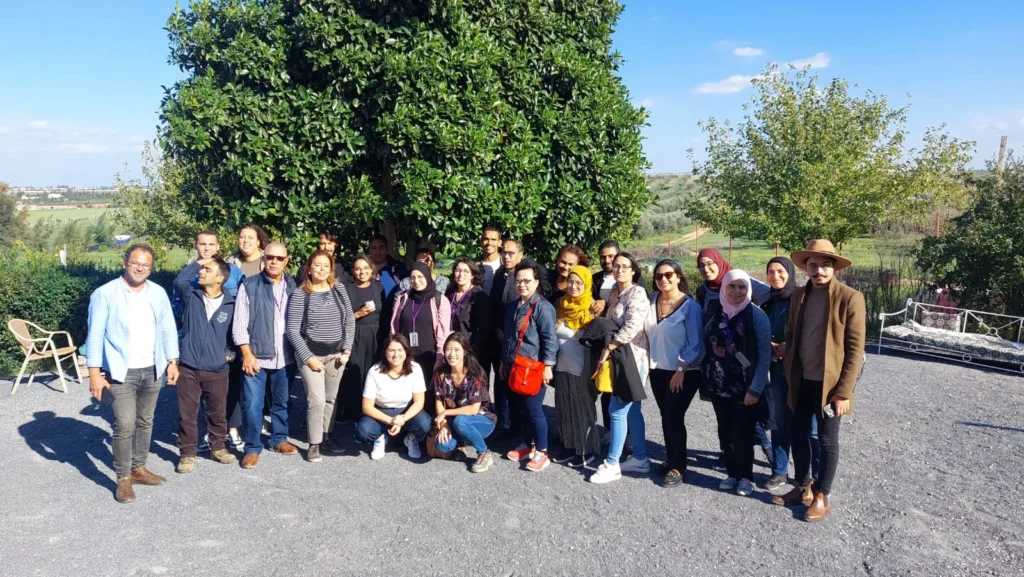
Forest creation & training (November 18–21, 2024): Over 40 participants from diverse fields learned Afforestt’s method.

Collaboration with The Residence Tunis by Cenizaro and support from the Ministry of Agriculture, Tunisia.

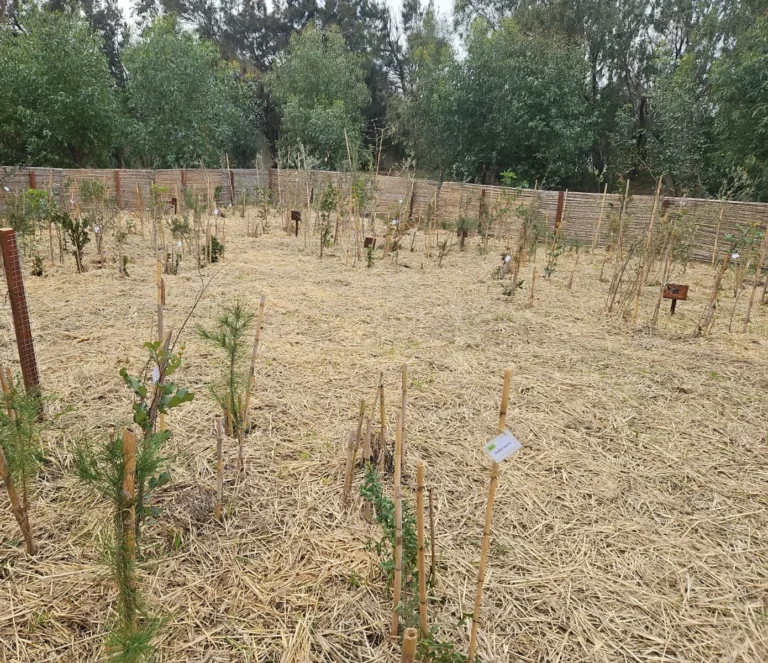
500+ saplings planted in a carefully designed forest site at The Residence Tunis.

Impact

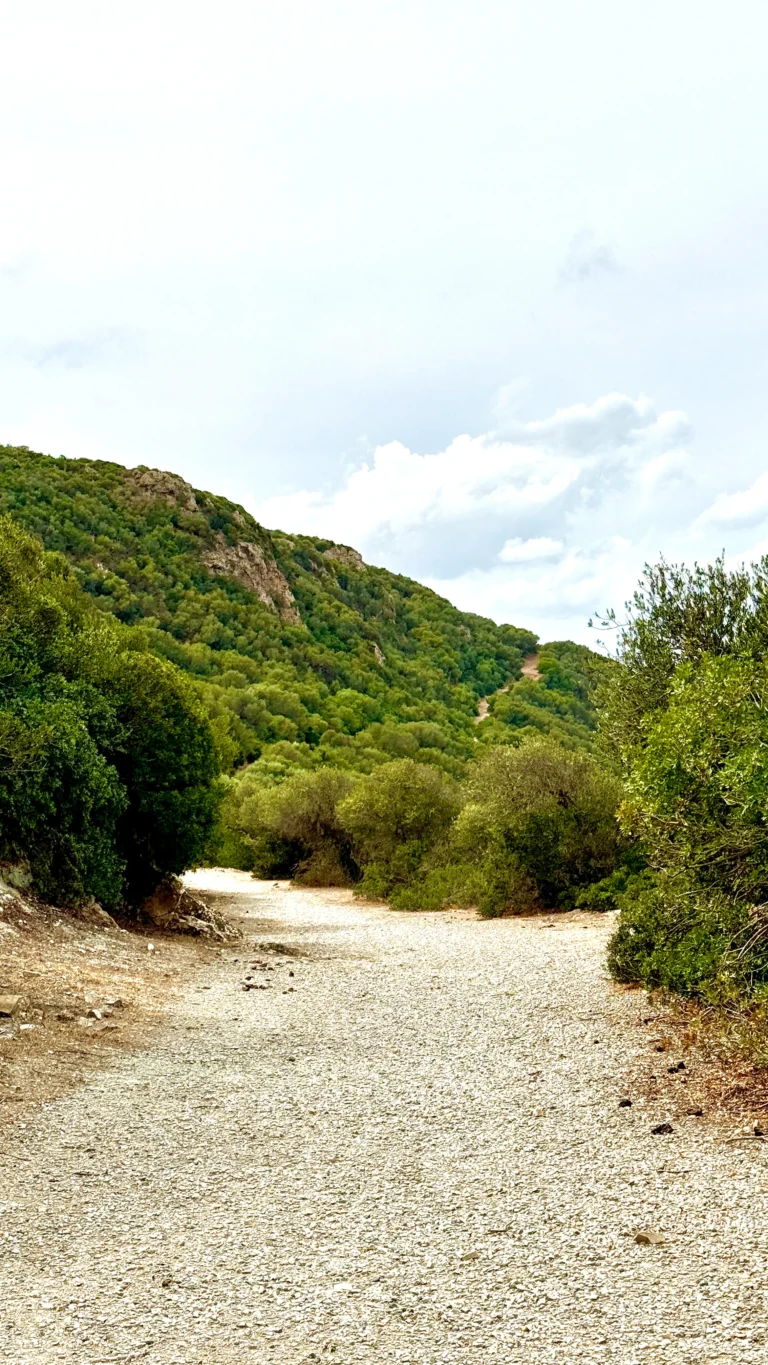
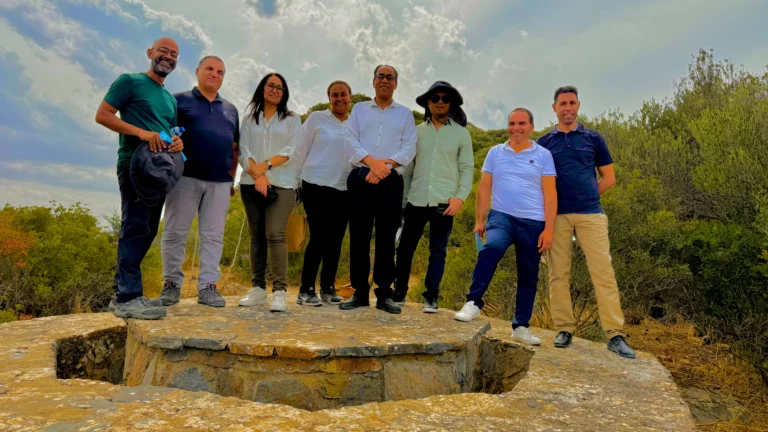
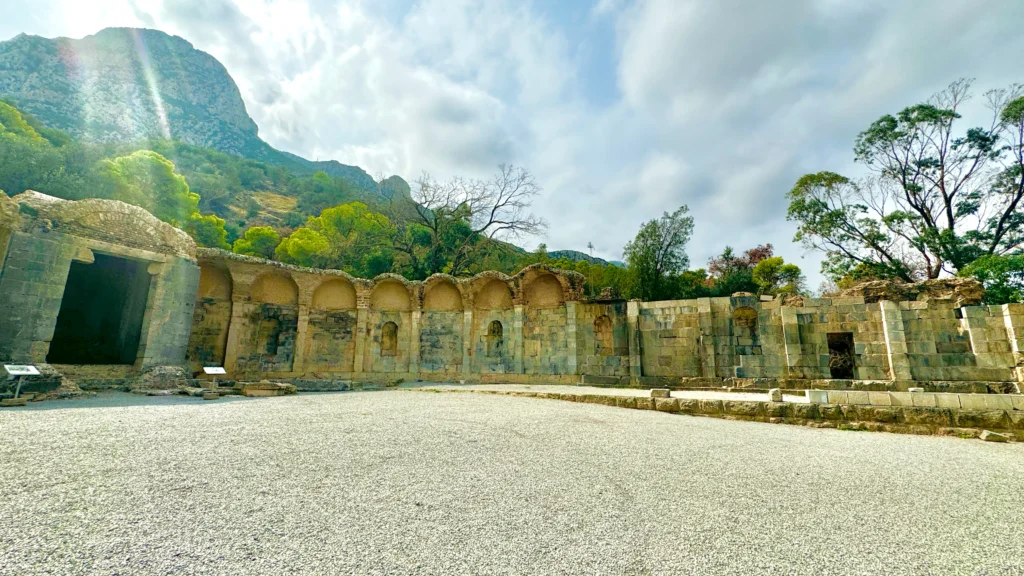
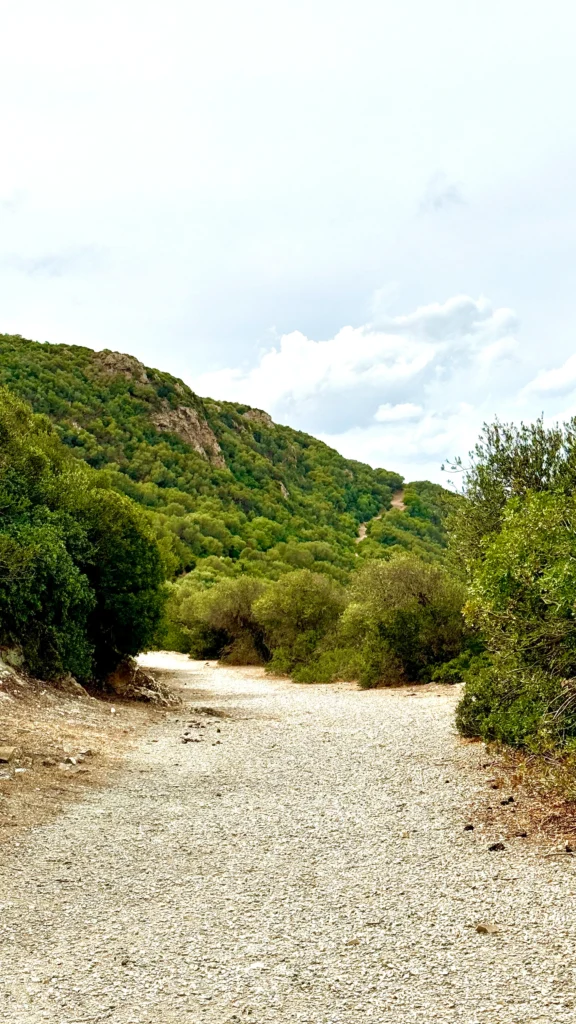
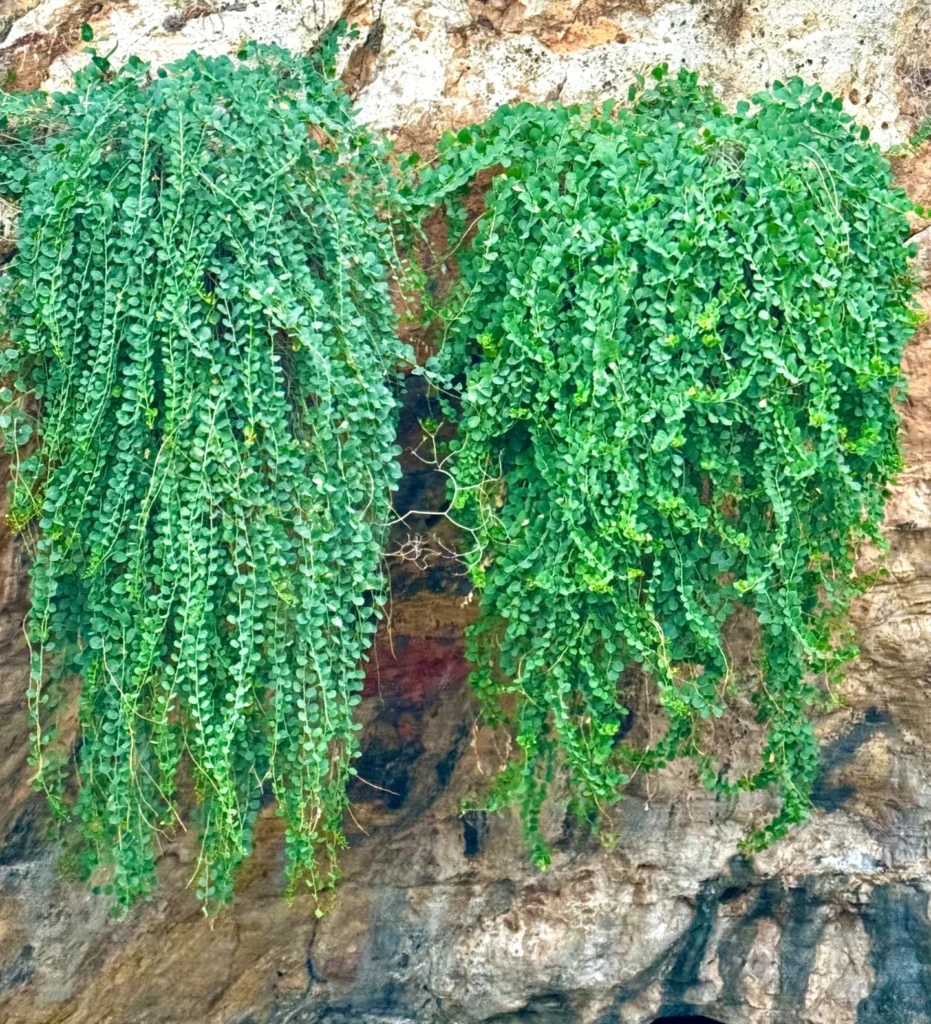
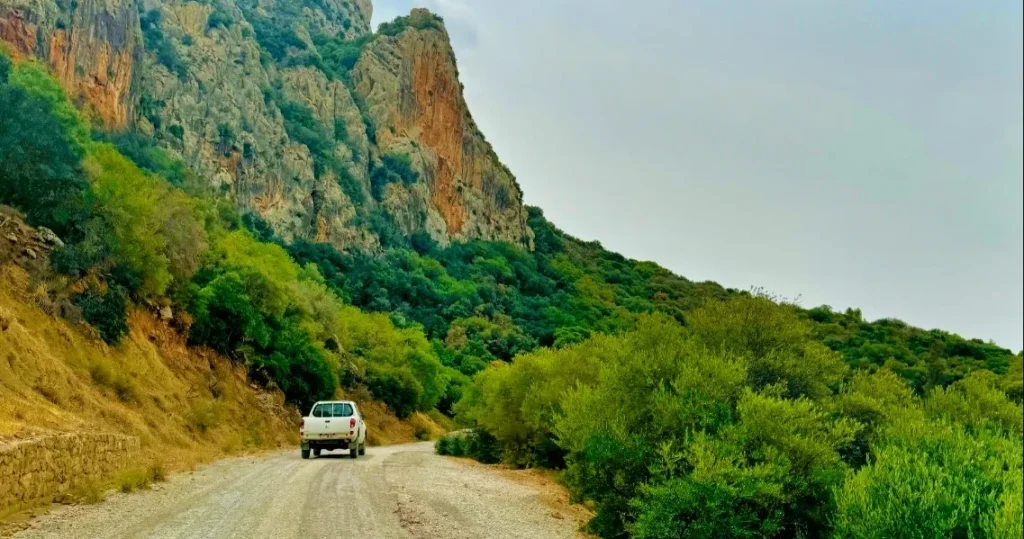
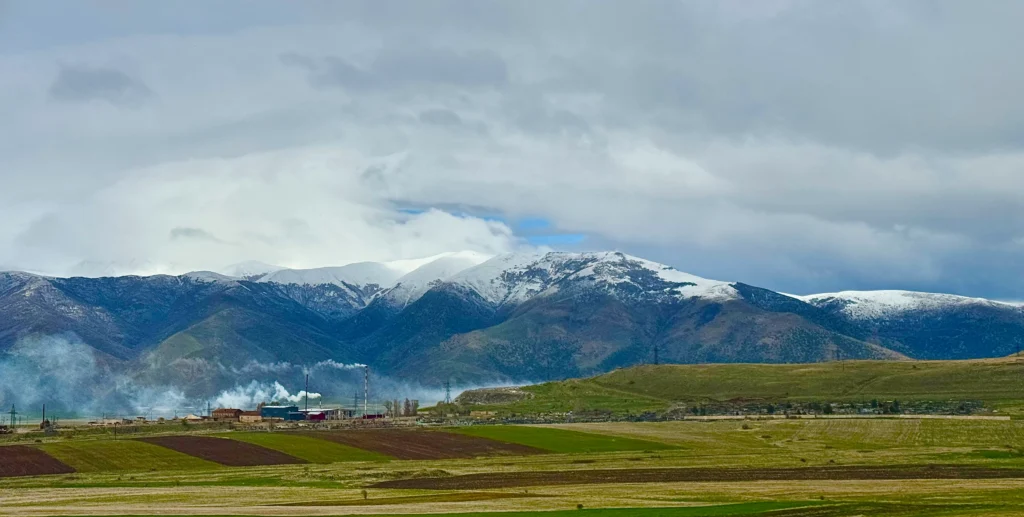
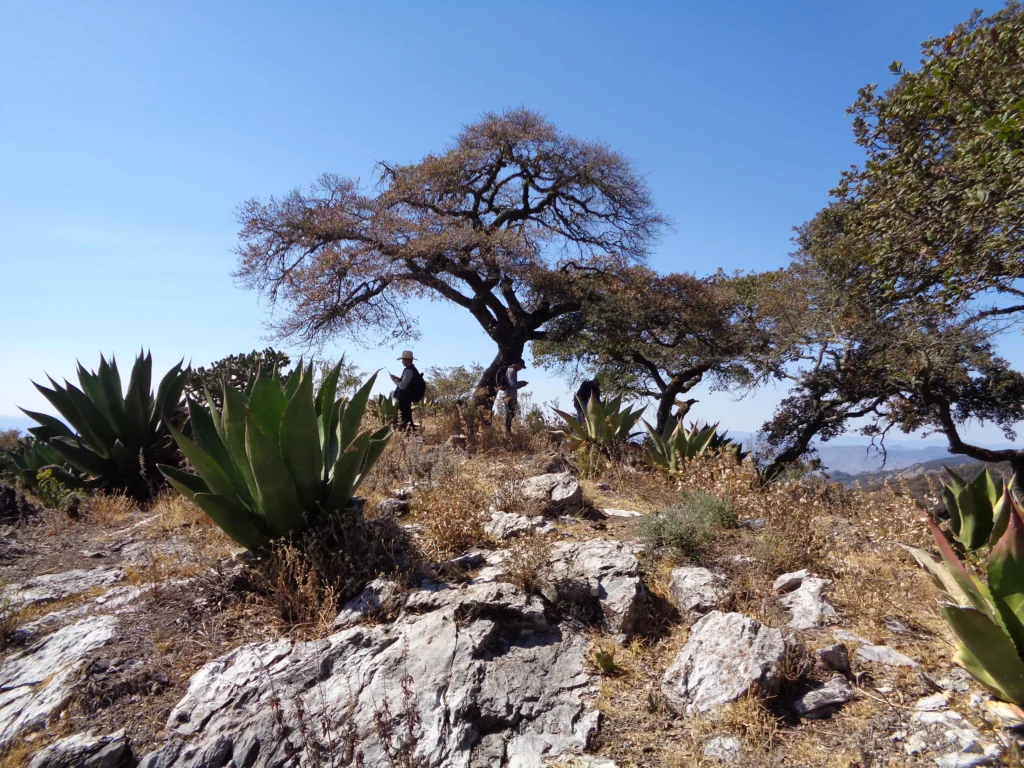
In September 2024, Afforestt set foot in Tunisia for the very first time. The journey began not with planting, but with listening to the land, its plants, its climate, and its stories. For three days, our team surveyed Ichkeul National Park and Djebel Zaghouan National Park, two ecological treasures of the region. Ichkeul, a UNESCO World Heritage Site, holds one of the last remaining freshwater lakes that once stretched across North Africa, surrounded by native-rich forests. Djebel Zaghouan, with its Roman-era water temple and rugged Mediterranean vegetation, offered insights into the associations of wild Olives, Carobs, Oaks, and Berber Thuja that once defined these landscapes.
56E48A0B-BD7A-4DAA-8BA5-AA0051A9A27B
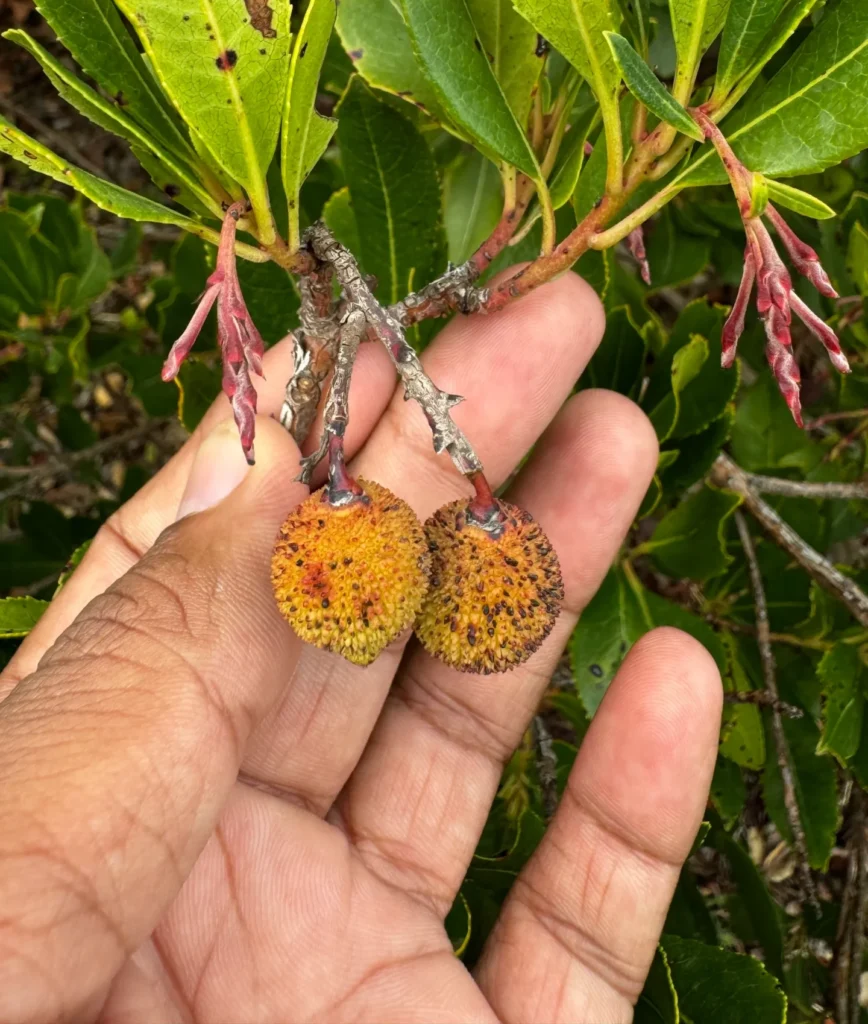
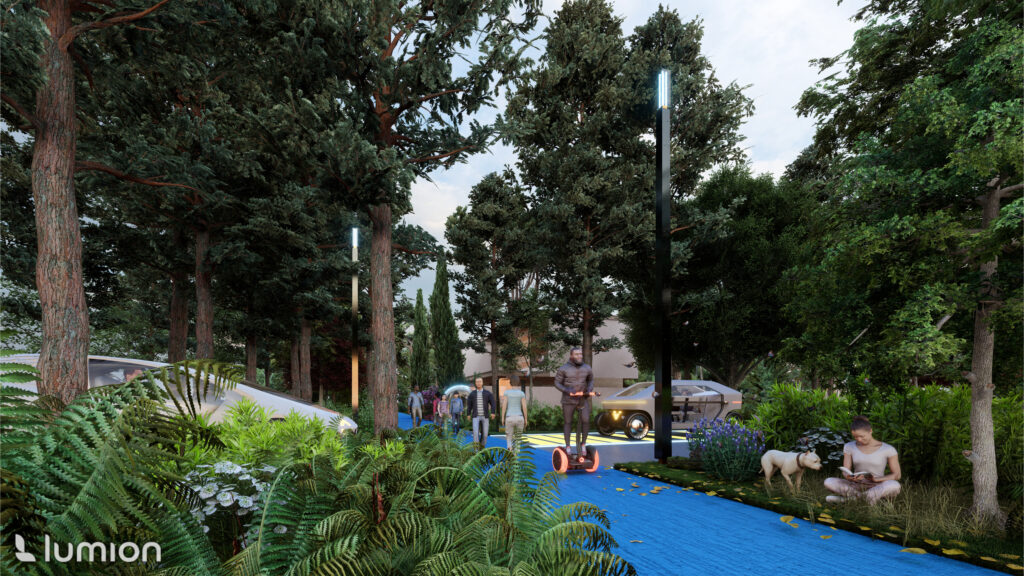
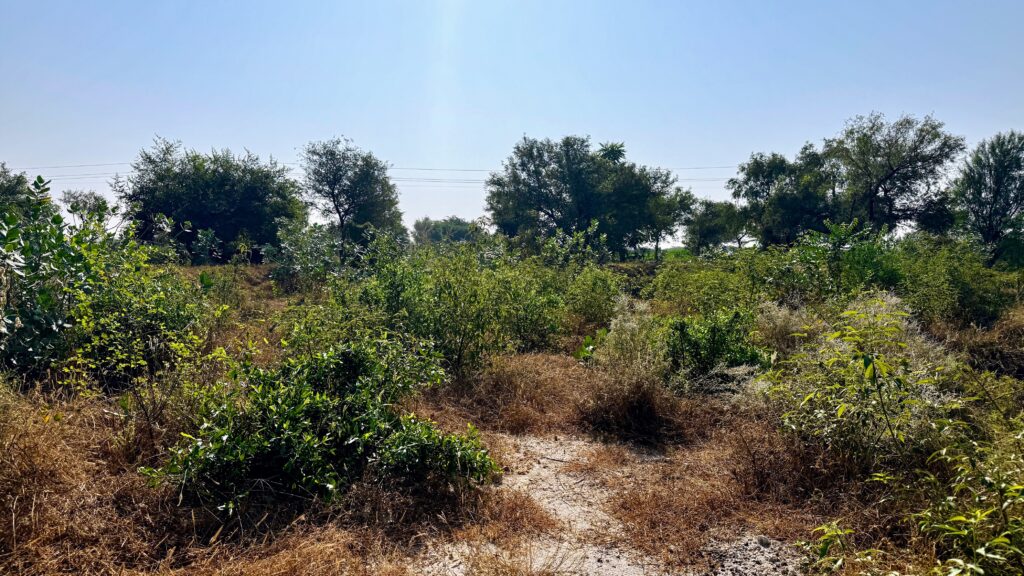
This research yielded a design: a multilayered formula of 25+ native species carefully selected for their ecological functions and resilience. From the fruiting Lentisque to the fruit-bearing Ceratonia siliqua and the bird-attracting Juniper, each plant was chosen to bring back the lost complexity of the Mediterranean forest. The plan envisioned 500+ saplings as a small forest in The Residence Tunis, arranged to replicate the natural forest formations observed in the wild.
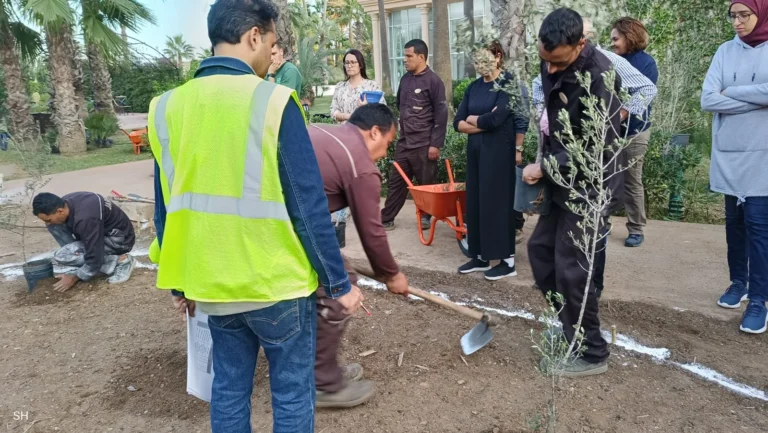
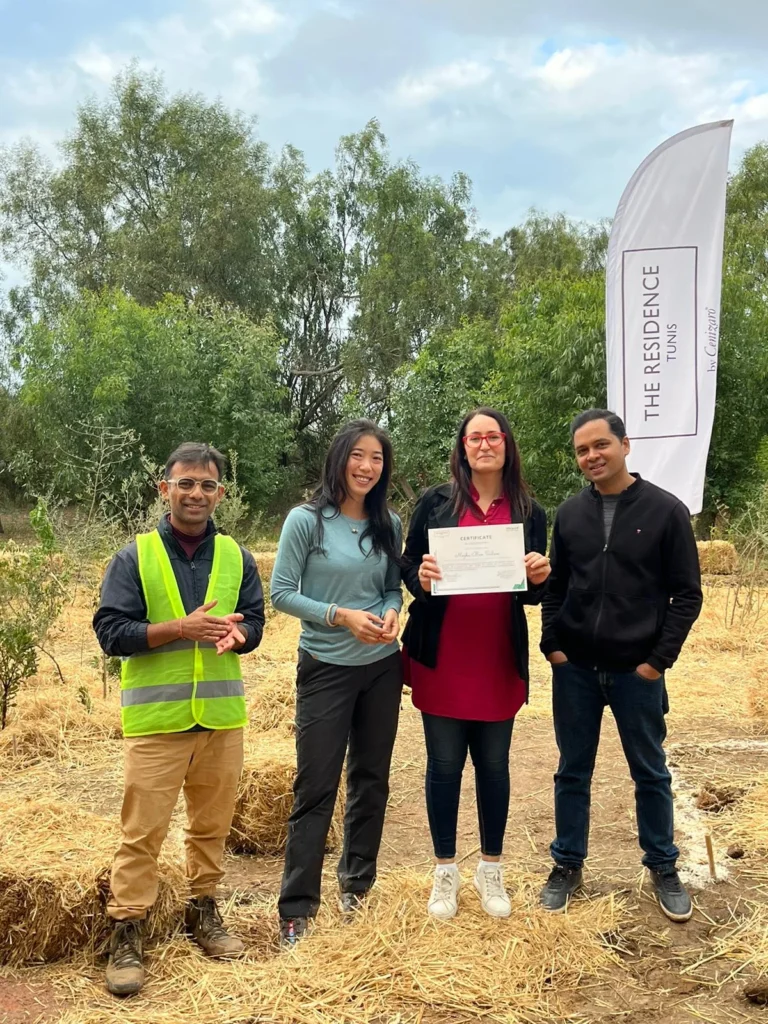
Two months later, in November 2024, the forest came to life. Together with The Residence Tunis and supported by the Ministry of Agriculture, Afforestt hosted a four-day forest creation and training program. More than 40 participants—students, farmers, hotel staff, designers, permaculture enthusiasts, and ecologists—joined hands in planting. For many, it was their first time experiencing the Miyawaki Method in action, digging, mulching, and watering side by side. The site transformed from bare soil into the beginnings of a Mediterranean woodland.
This project stands as Afforestt’s first footprint in North Africa, at the crossroads of the Mediterranean world. It carries forward the spirit of our Guru, Professor Akira Miyawaki, who himself experimented in Sardinia, Italy, in similar conditions. Just as his forests still thrive, this young Tunisian forest has been set on a path to become native, wild, and forever.
From scientific research to community training, from Ichkeul’s wetlands to Zaghouan’s rocky slopes, this project embodies what Afforestt stands for: restoring the world’s native forest ecosystems. And it is only the beginning of our Mediterranean journey.

More Projects