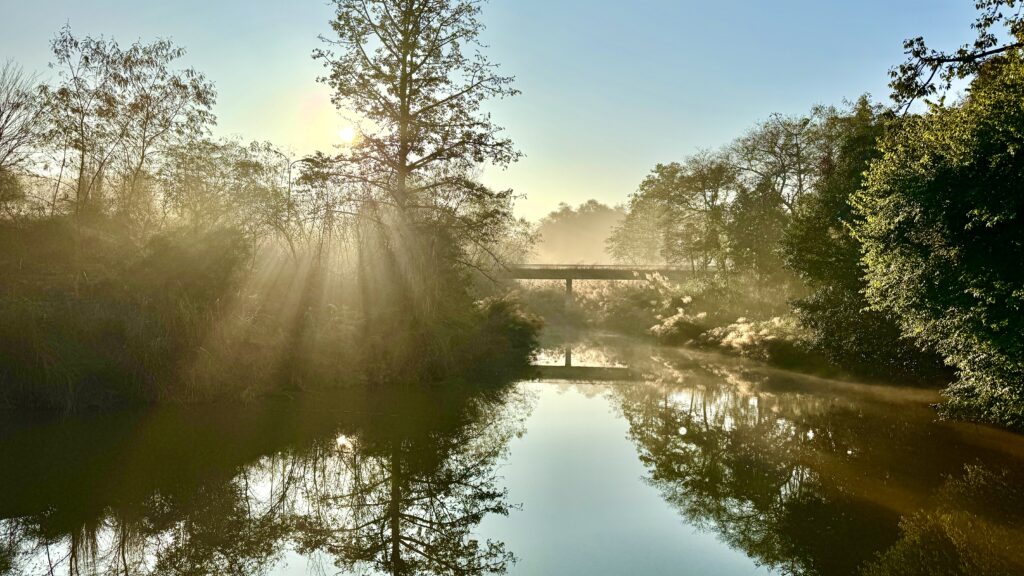
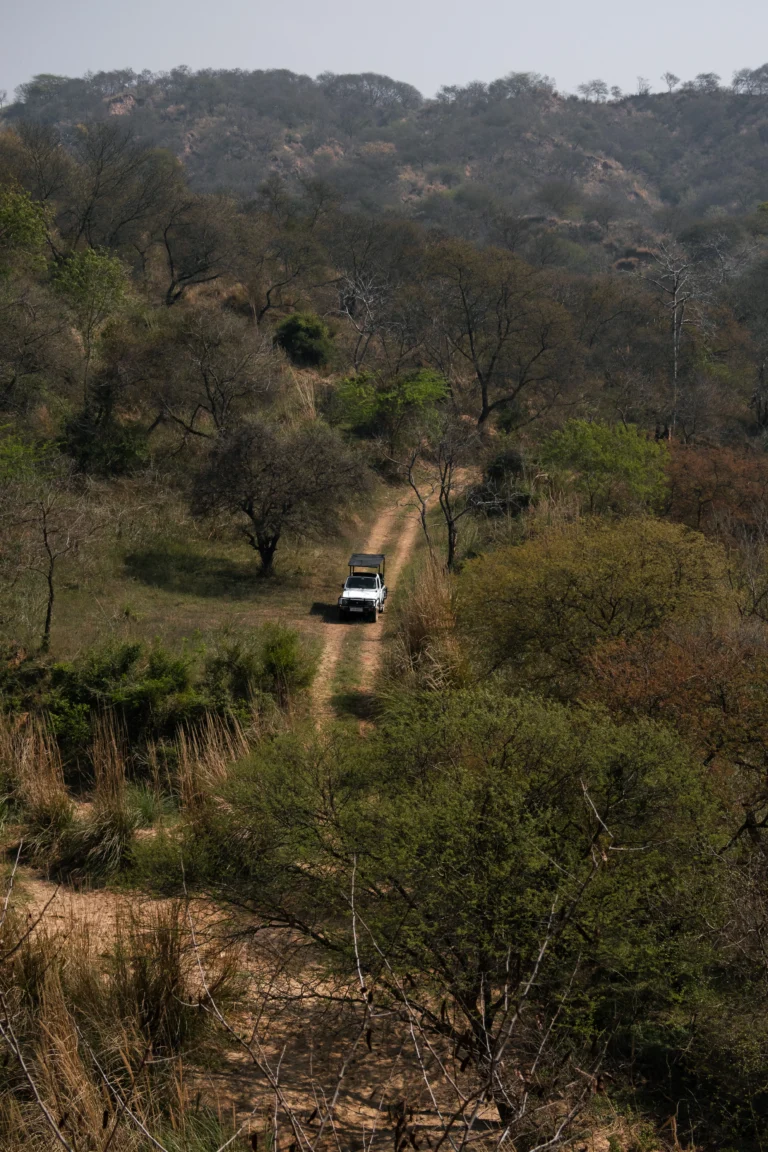
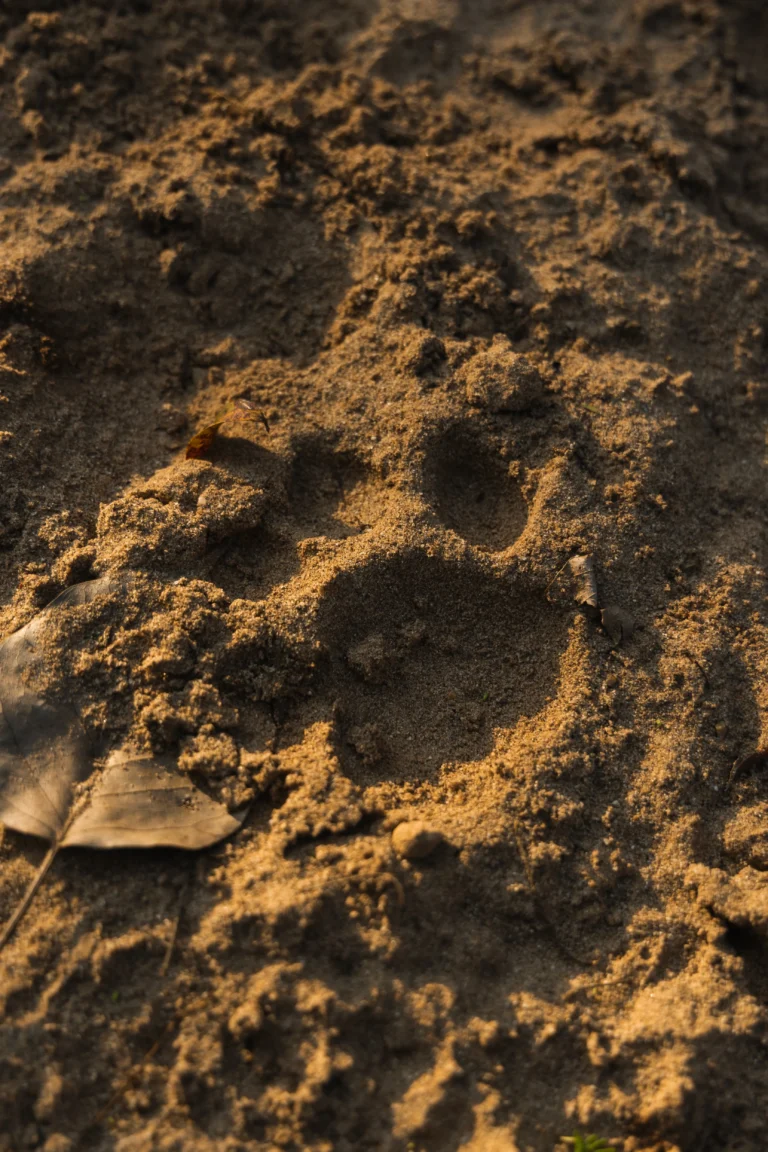
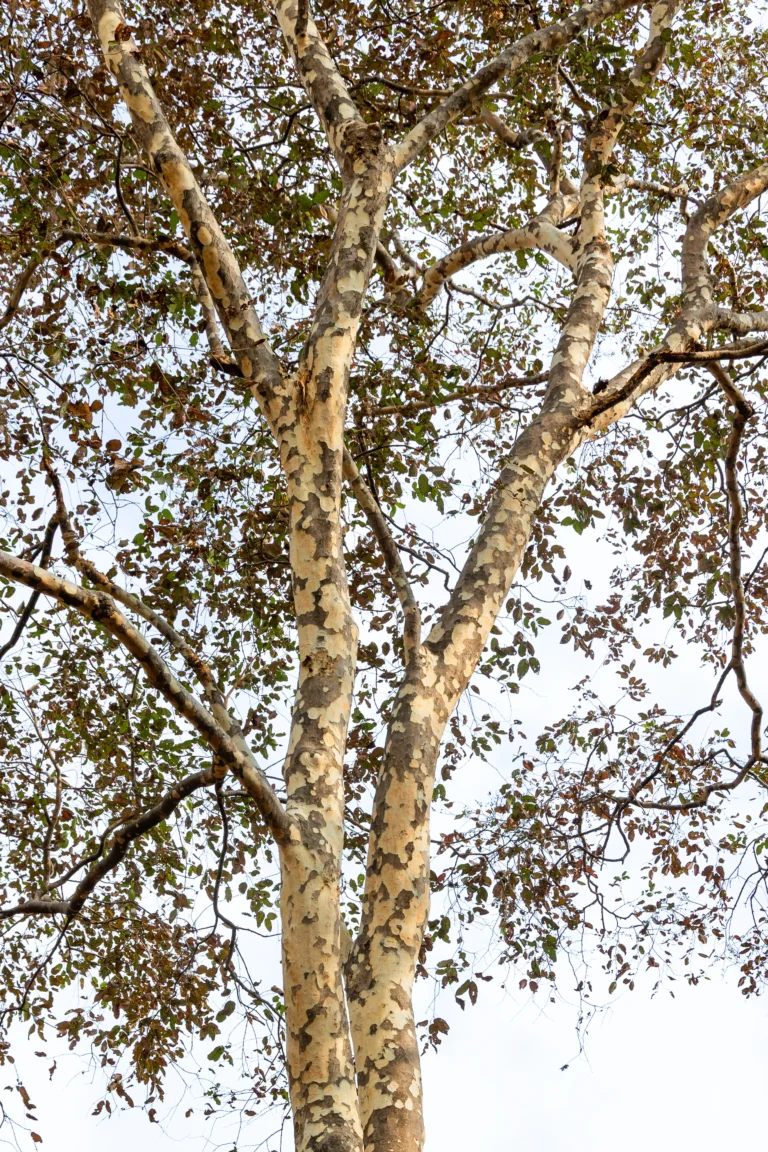
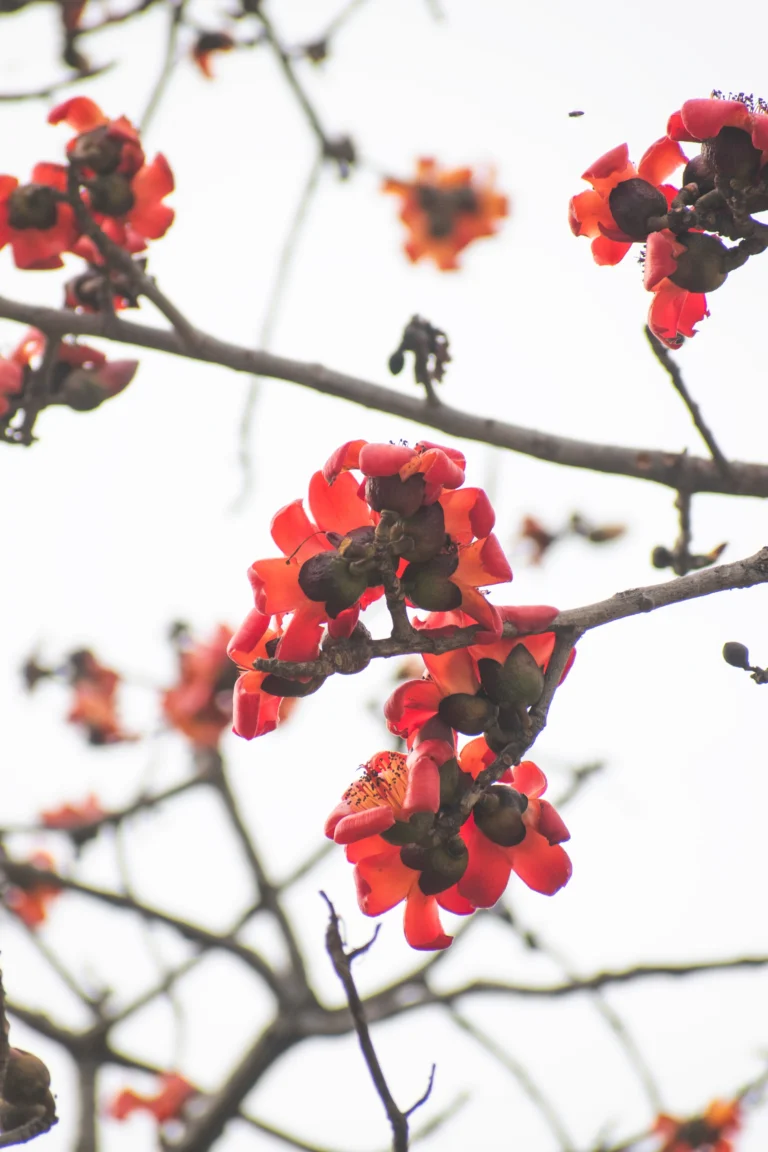
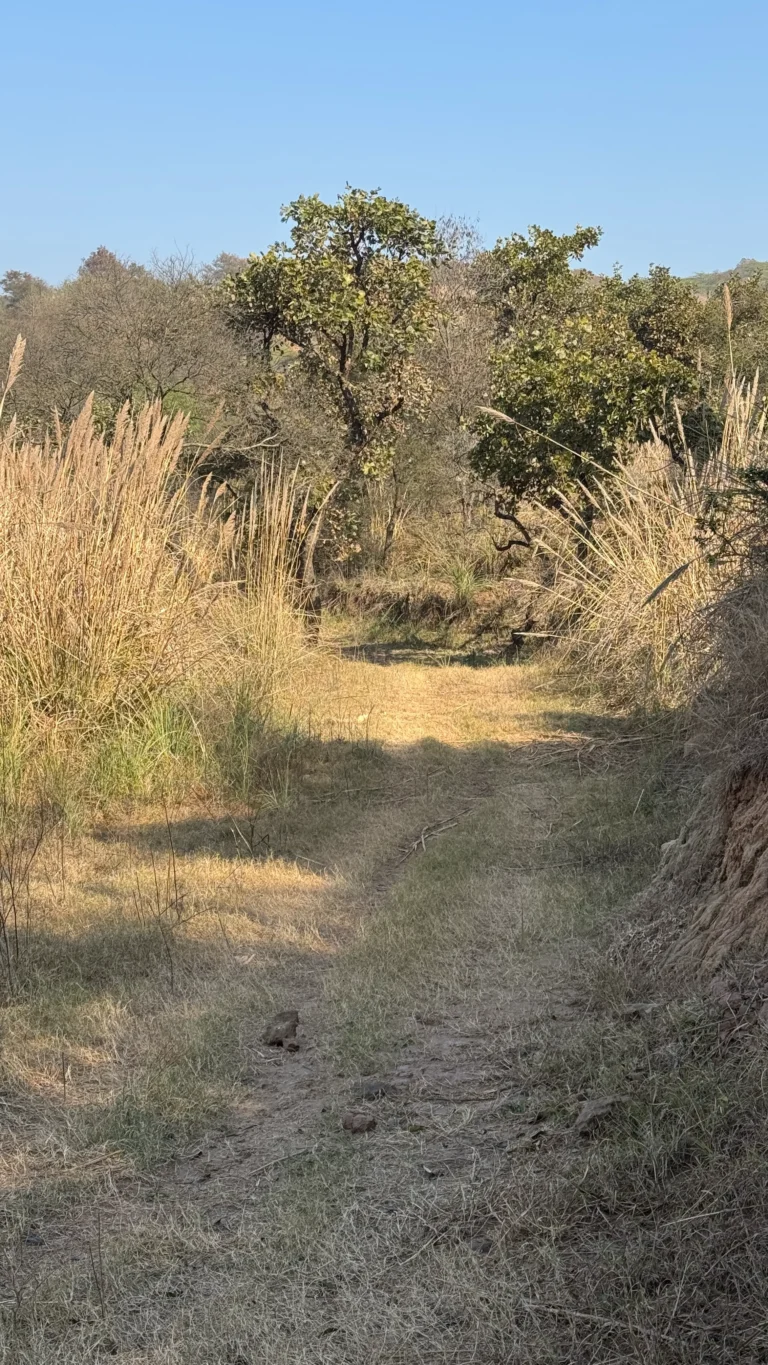
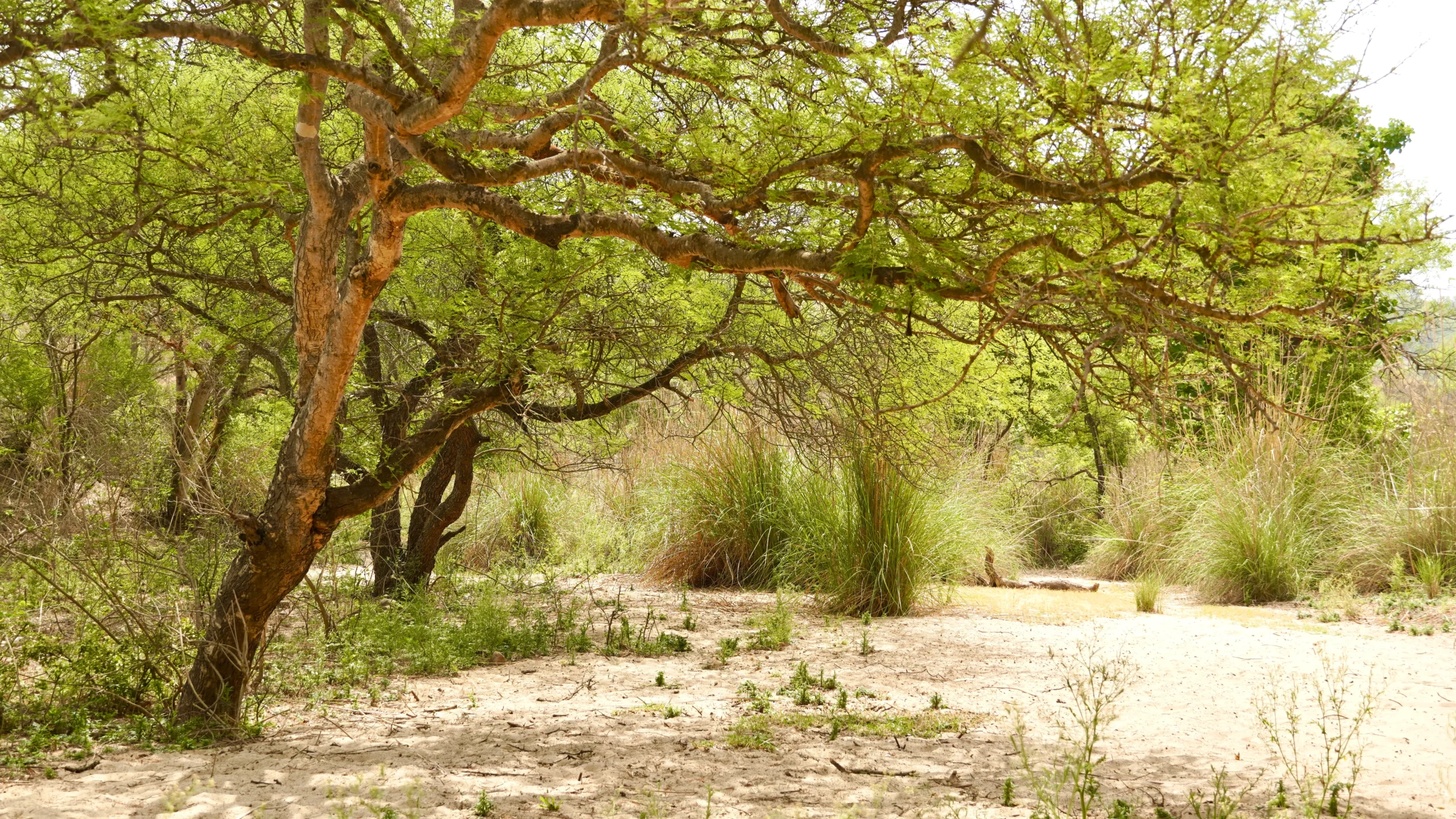
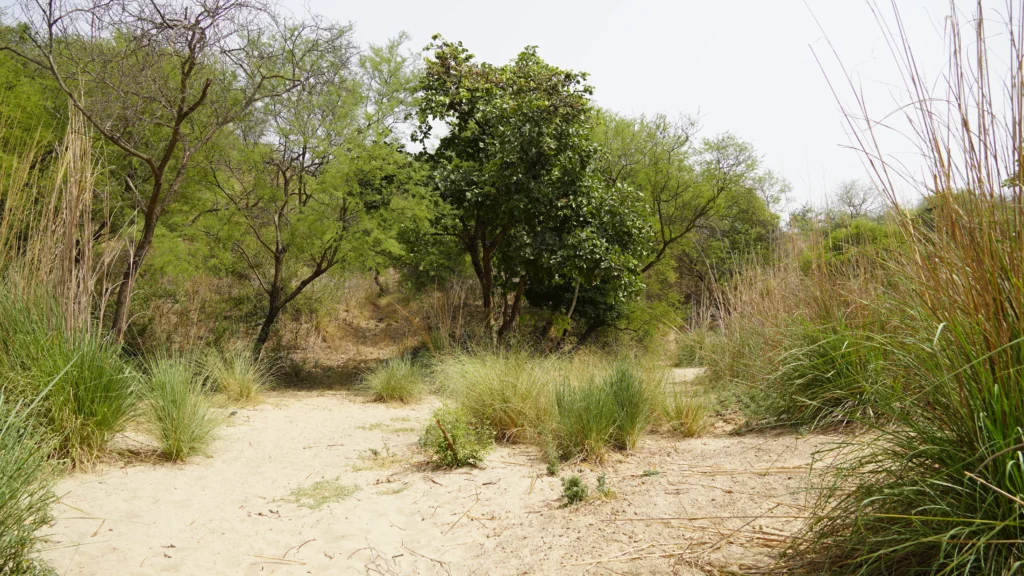
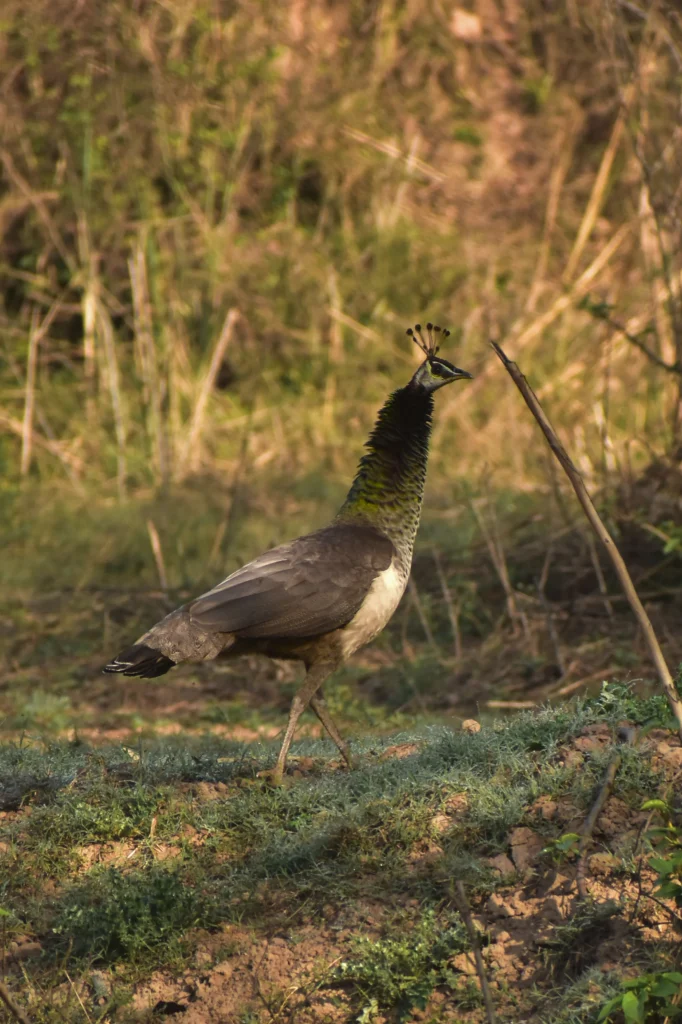
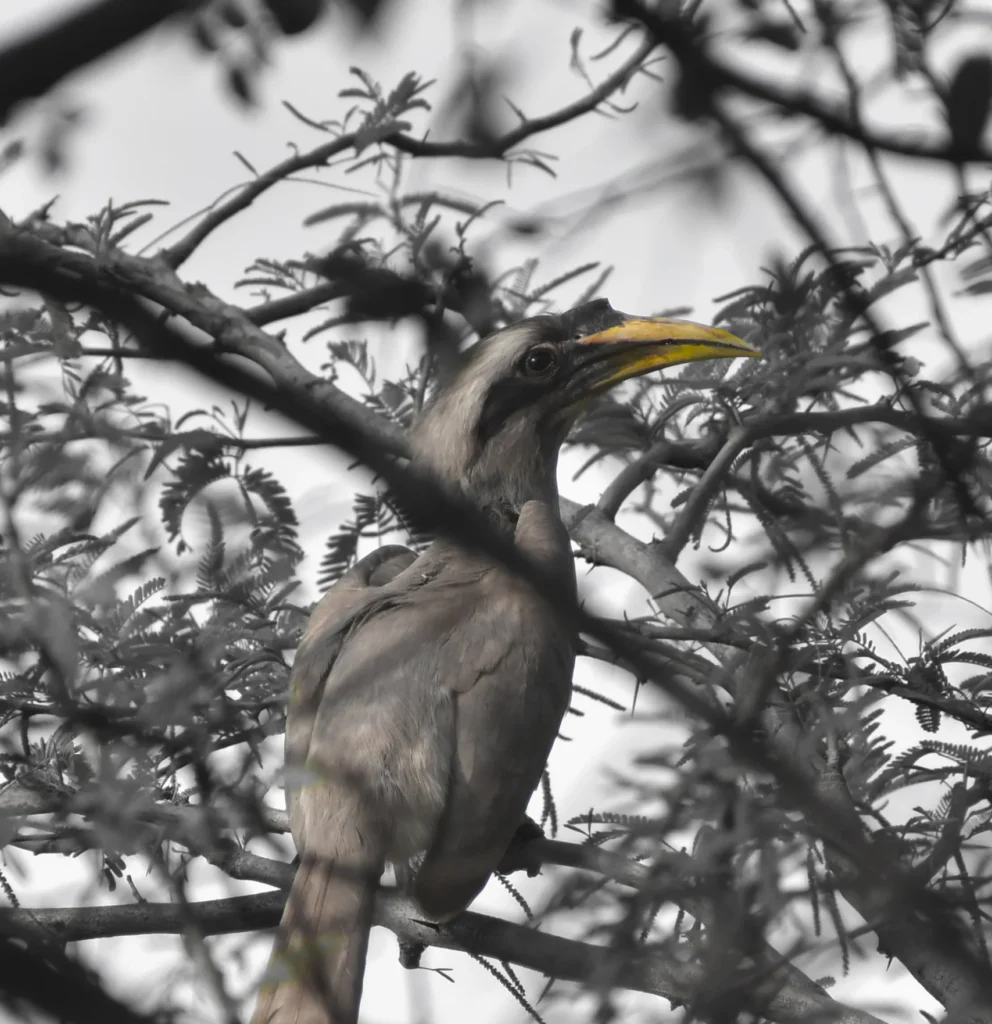
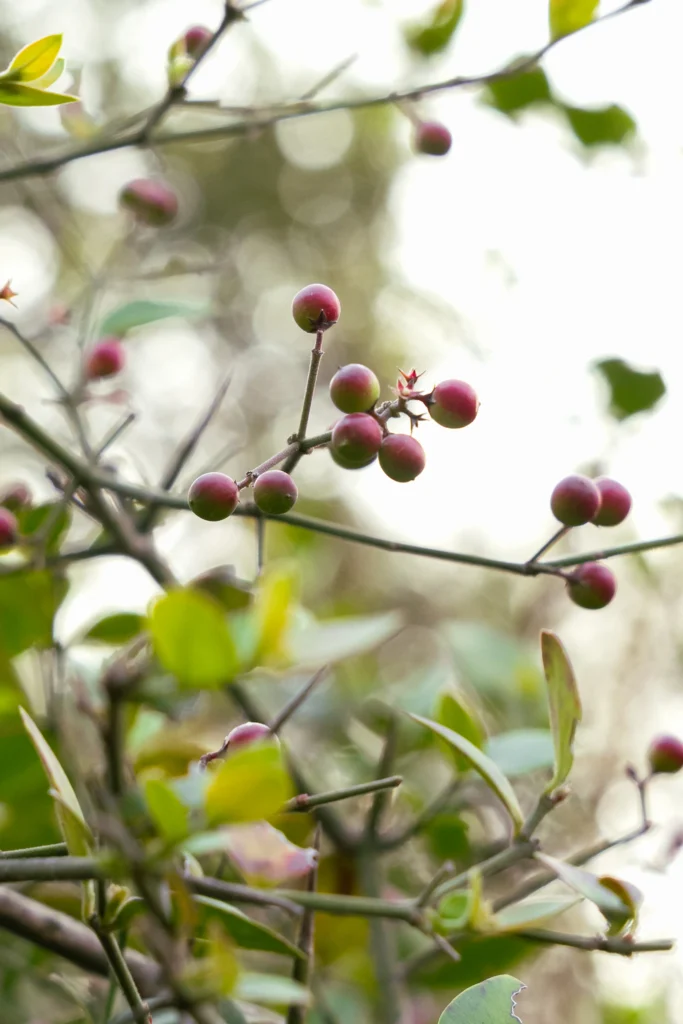
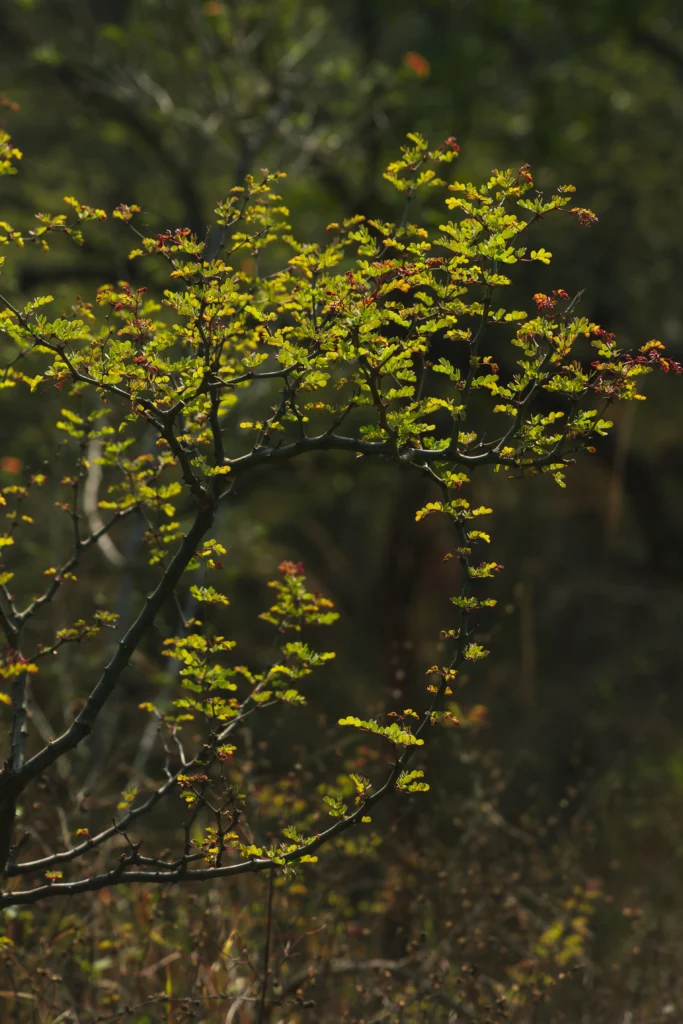
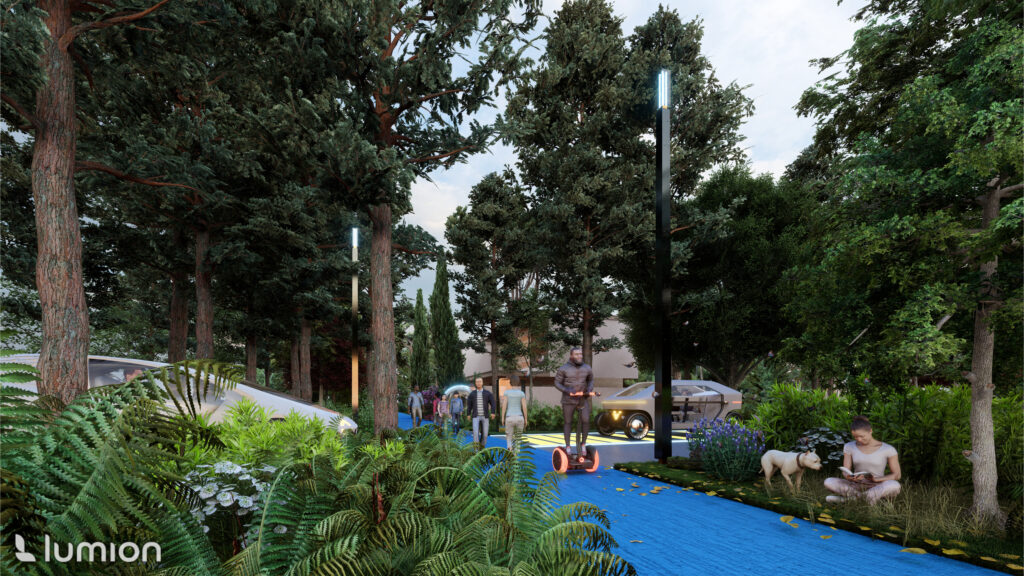
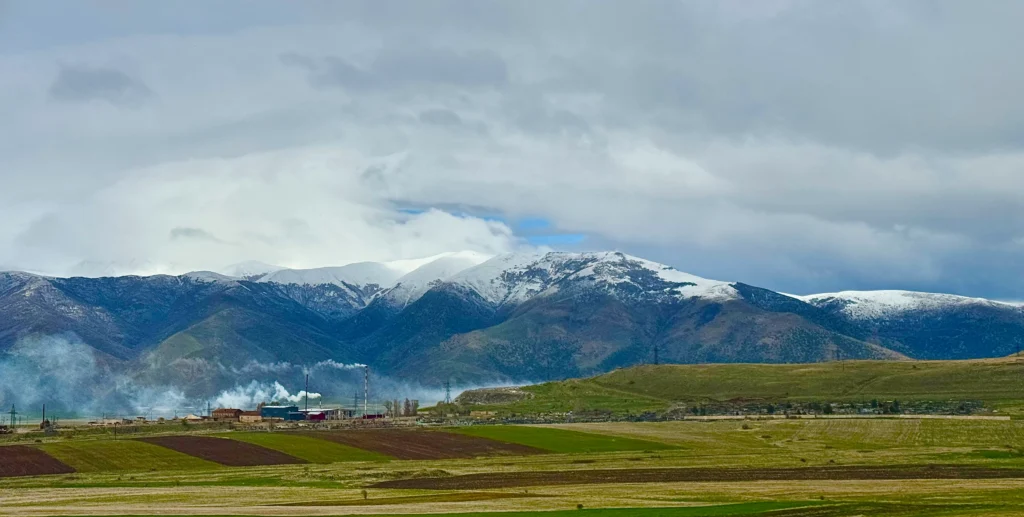
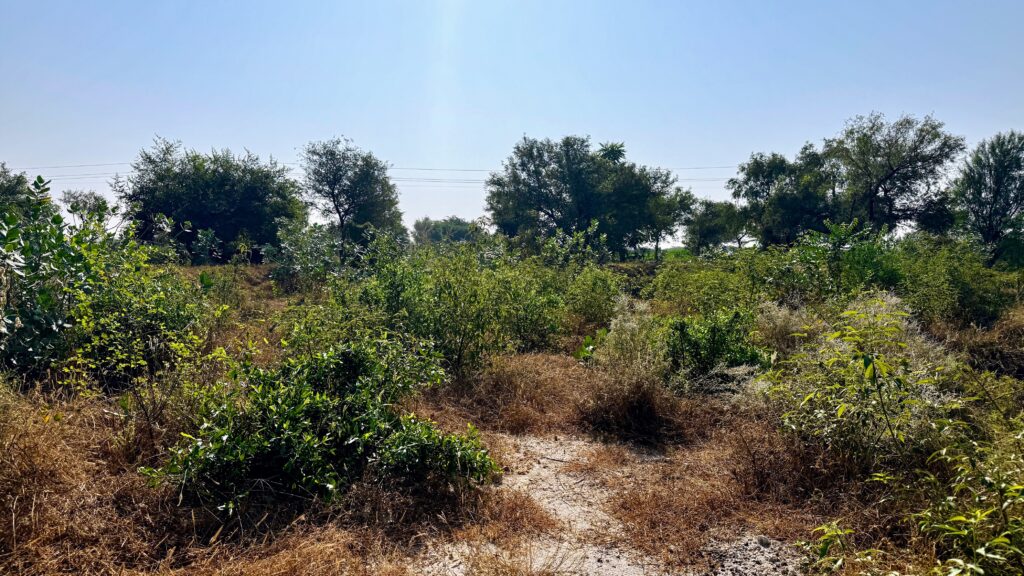
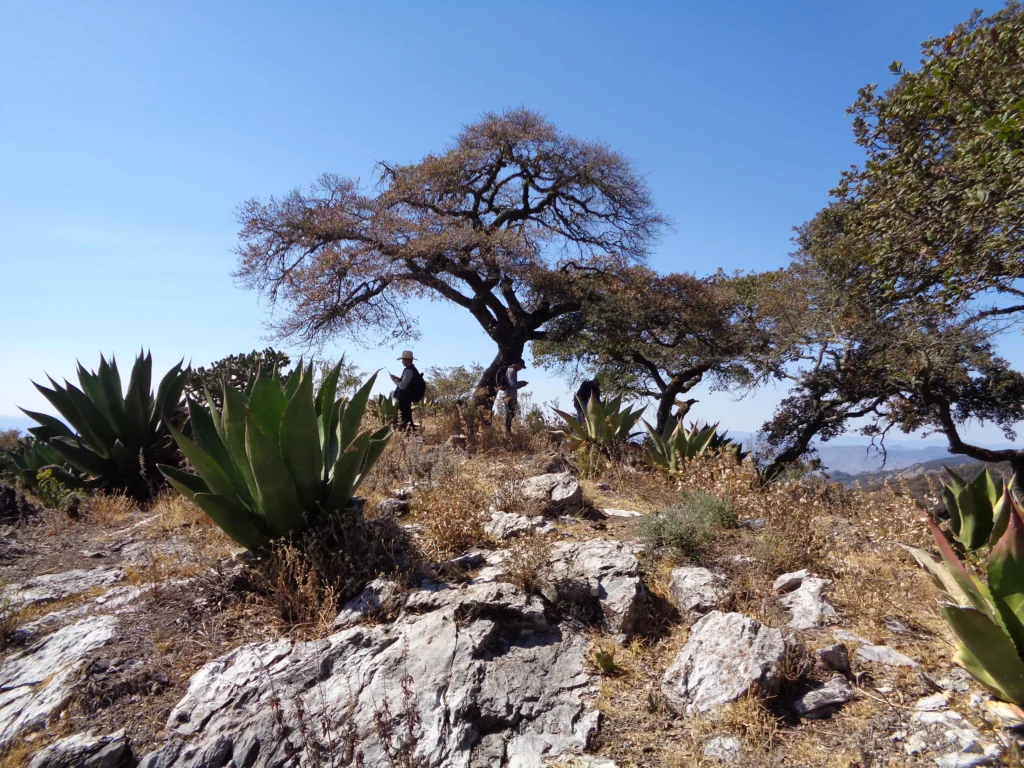
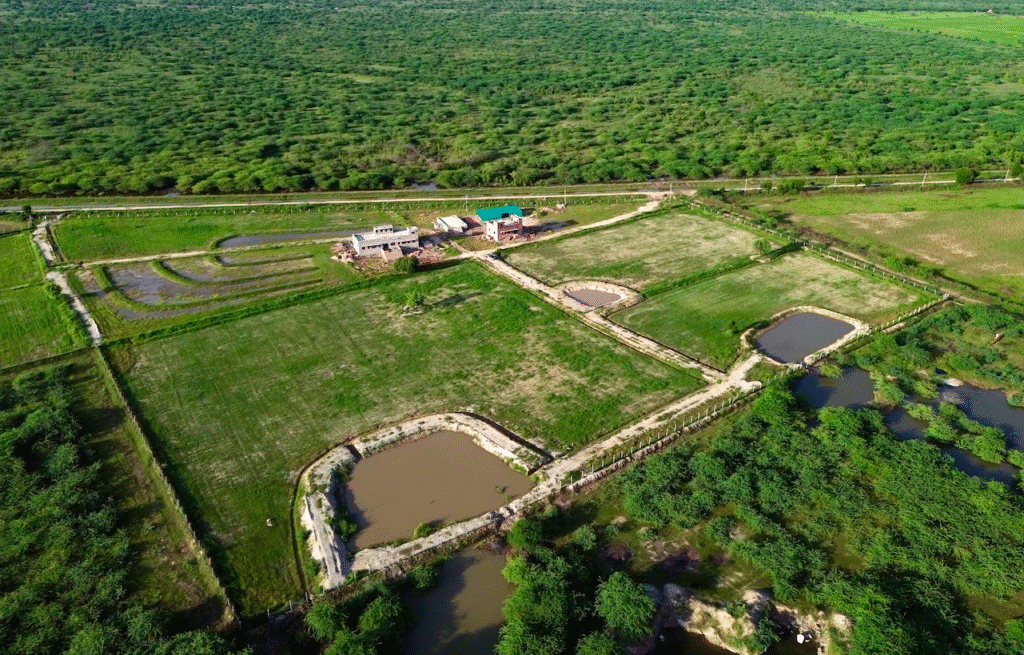
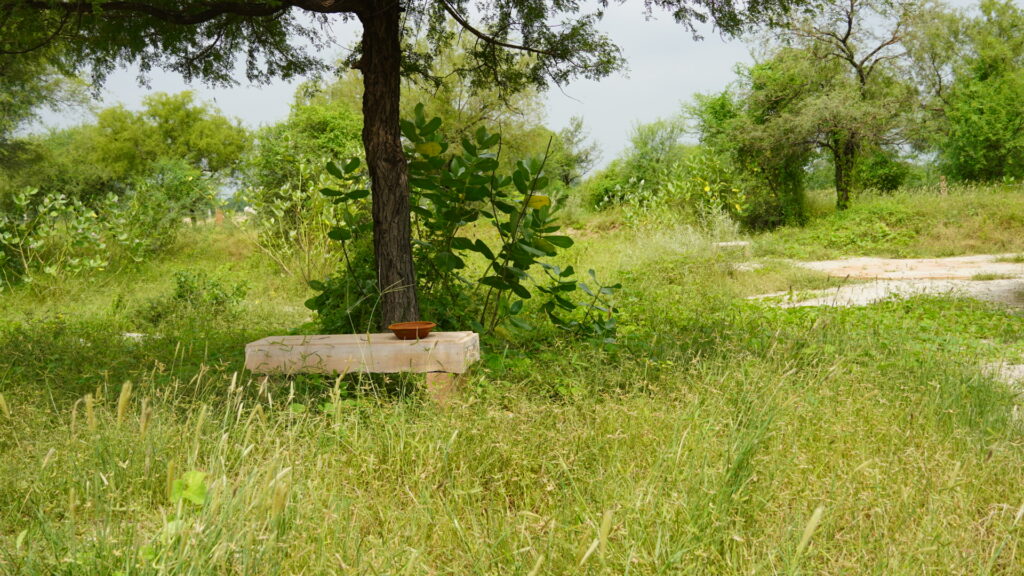
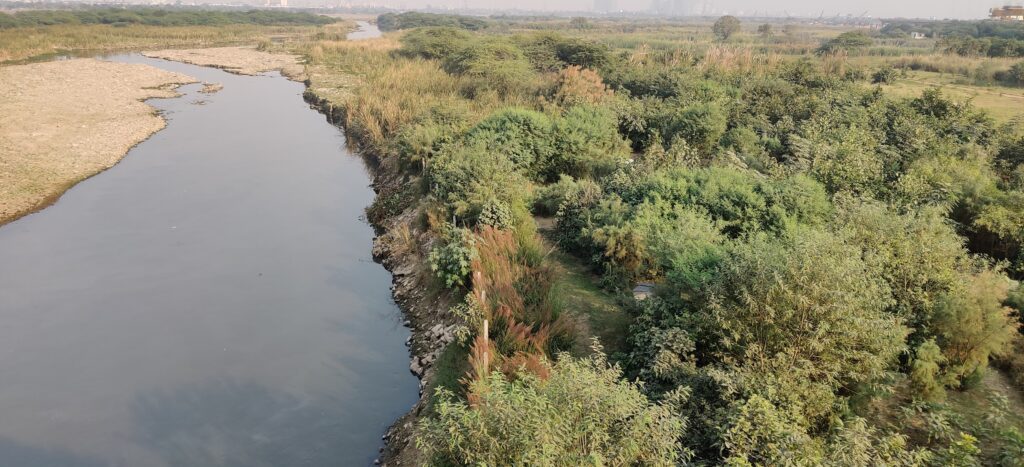
The rewilding of the resort near Sukhna Sanctuary has had a transformative impact—reviving the local ecosystem, attracting native birds, butterflies, and pollinators, and creating a self-sustaining forest that blends seamlessly with the surrounding sanctuary. What was once a manicured space is now a thriving natural habitat, offering guests an immersive experience in biodiversity while demonstrating how hospitality and ecological restoration can coexist meaningfully.
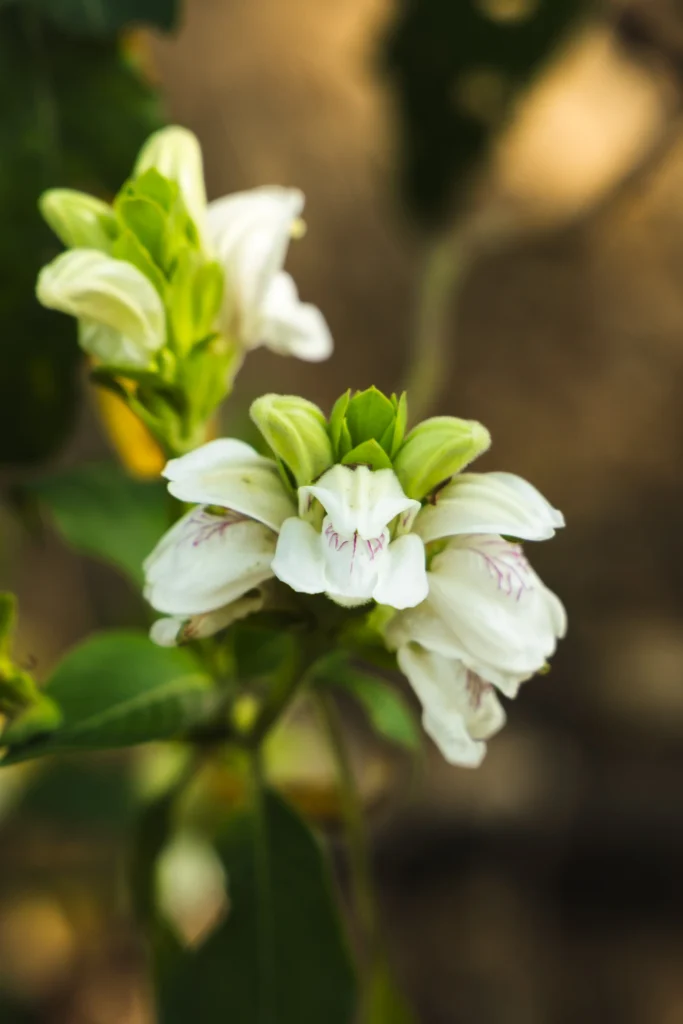
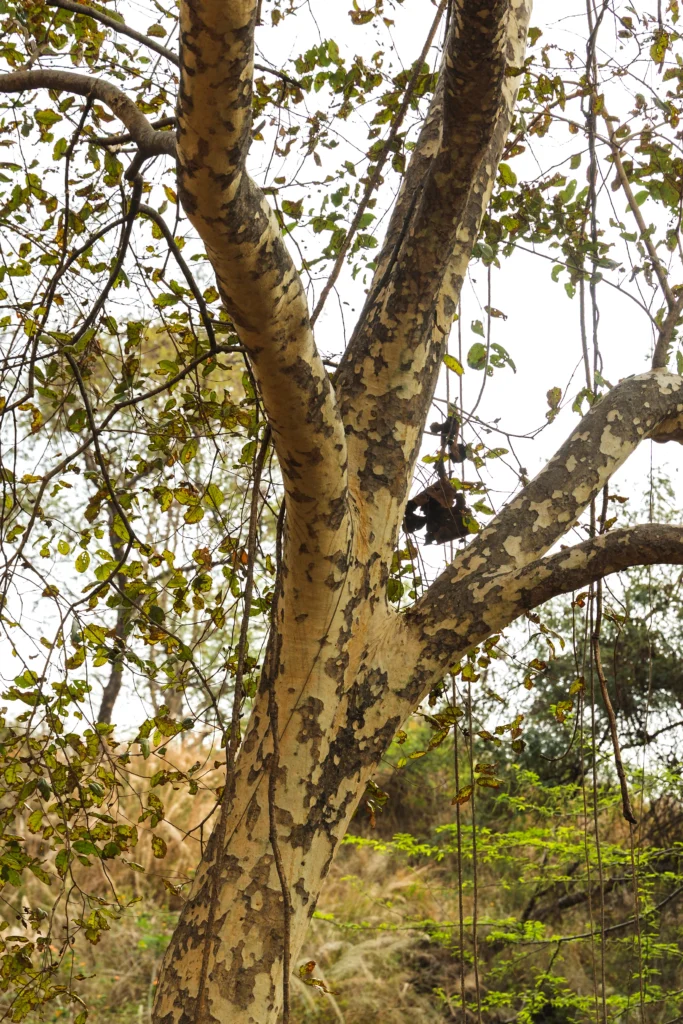
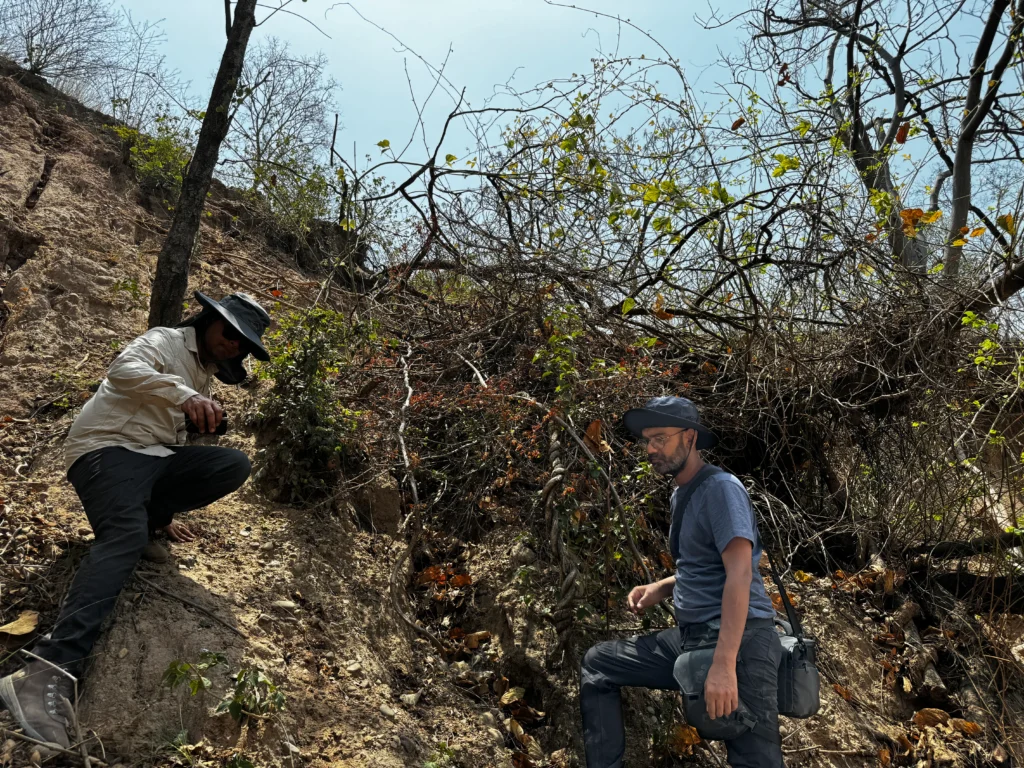
To guide this restoration, Afforestt began with a deep dive into the Potential Native Vegetation (PNV) of the region. This research revealed a forest once rich with rare and resilient species — Kumkum (Mallotus philippensis), Phulai (Acacia modesta), Doodhi (Wrightia tinctoria), Surteli (Woodfordia fruticosa), Heens (Capparis sepiaria), and Pansra (Colebrookea oppositifolia) — plants that have evolved with this land over millennia. Designing with PNV means looking beyond ornamentals to re-create a natural harmony of canopy, understory, and ground cover.
From this research grew a set of unique interventions. The Three Colours of Nature frame restoration as both science and story: red for earth and memory, green for balance and continuity, yellow for renewal and bloom. The Native 15 avenue design became a landmark intervention — a blueprint where 15 carefully chosen indigenous species set a new standard for roadsides and open spaces. Across the property, native landscaping is being adopted — avenues, residences, and edges are being planted with species that belong to the Shivaliks.
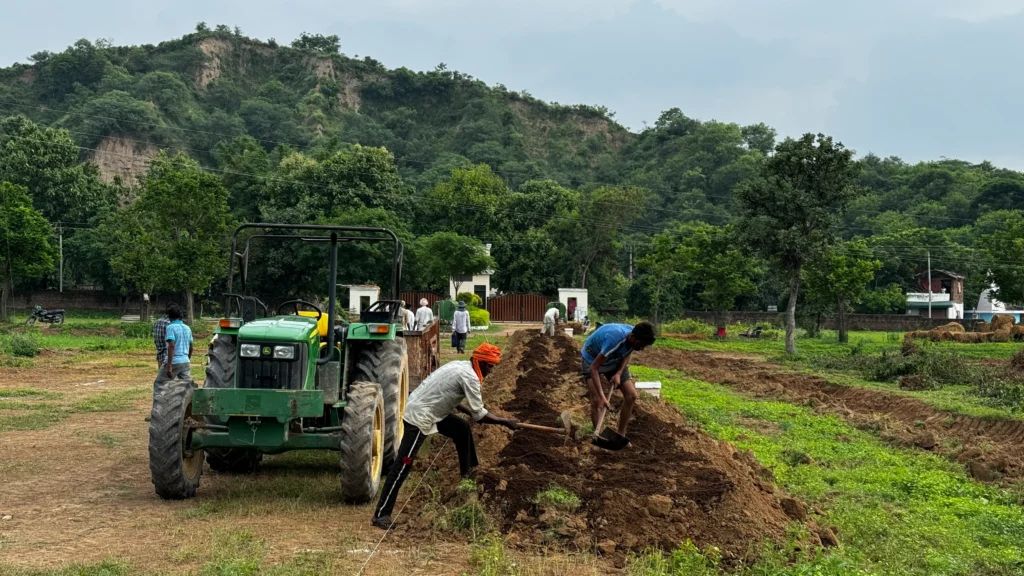
Equally important is the act of clearing away the past. Non-native species, which suppress local flora, are carefully removed to allow indigenous life to return. Parallel to this, designs for slowing water — water nerve centres, lakes, and natural channels — are drawn. These interventions, over time, bring hydration back to the land and create the permanent foundation for life to flourish.
Together, these steps make the project not just real estate development, but a living sanctuary. It is a place where ecological research meets practical design, where heritage species return, and where every intervention is made with humility towards the larger landscape. For Afforestt, the project stands as a model: when real estate chooses to restore its native vegetation, respect its water, and work with its landforms, it creates more than property — it creates ecological legacy.