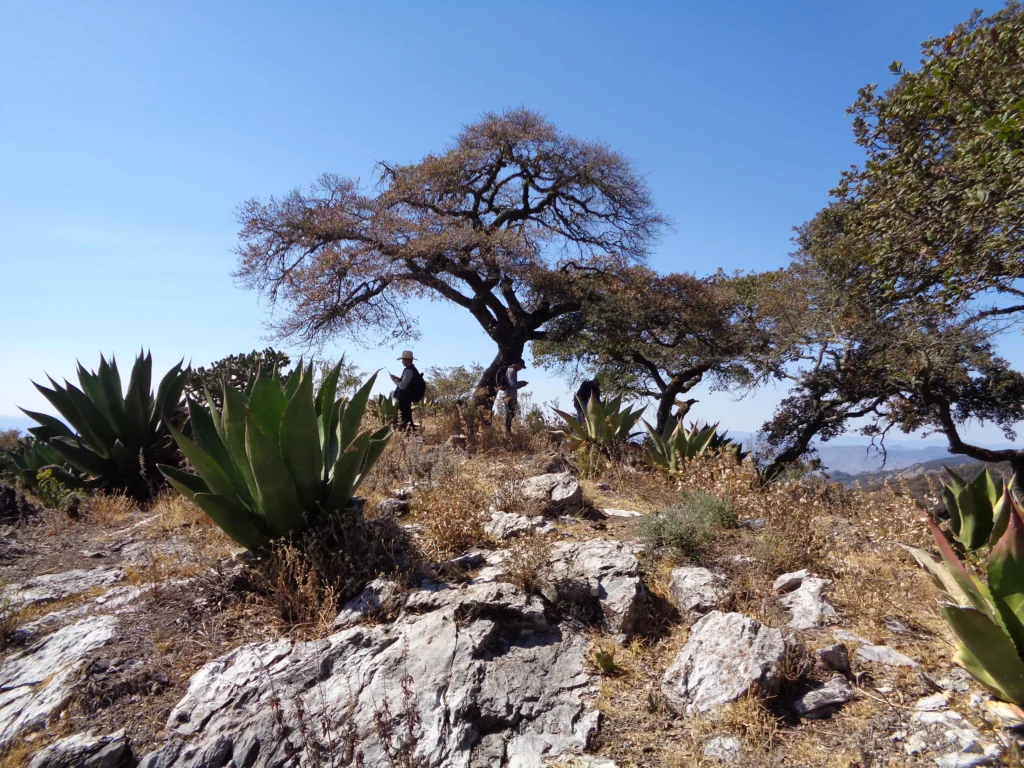
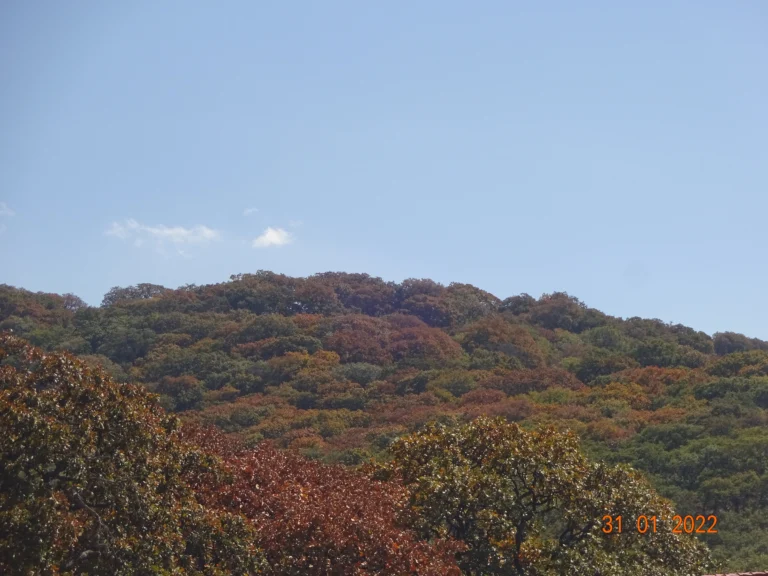
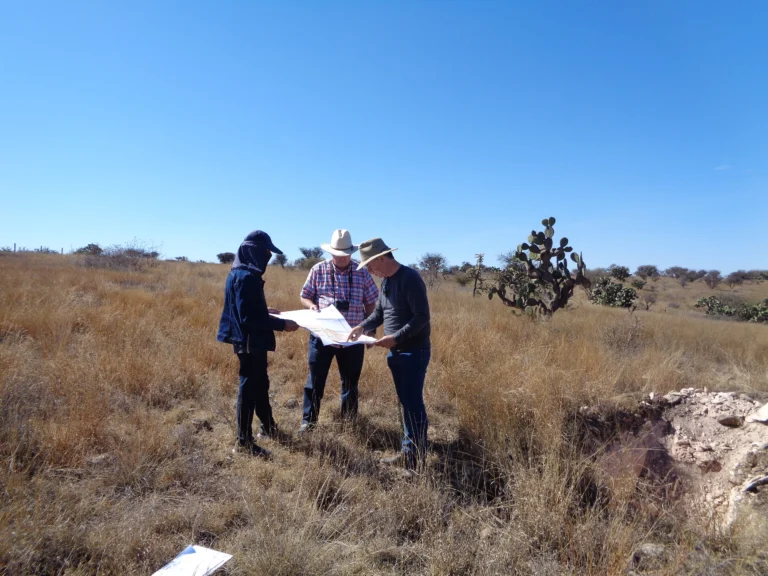
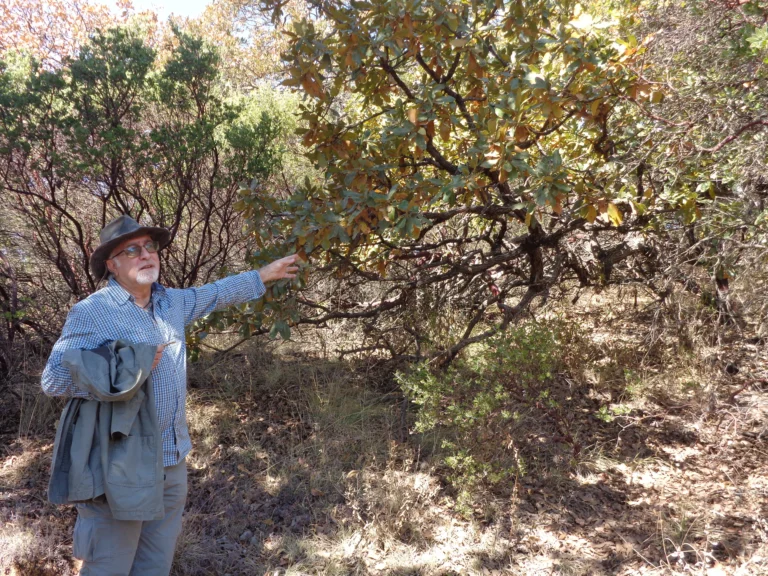
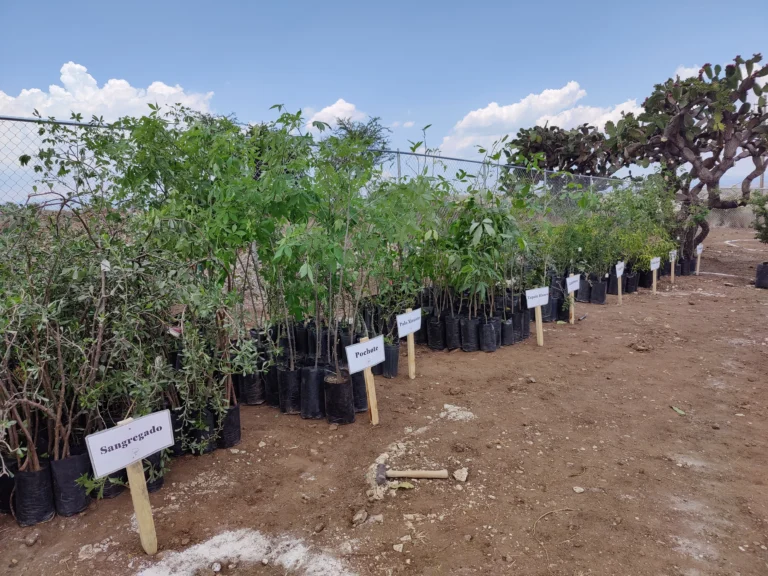
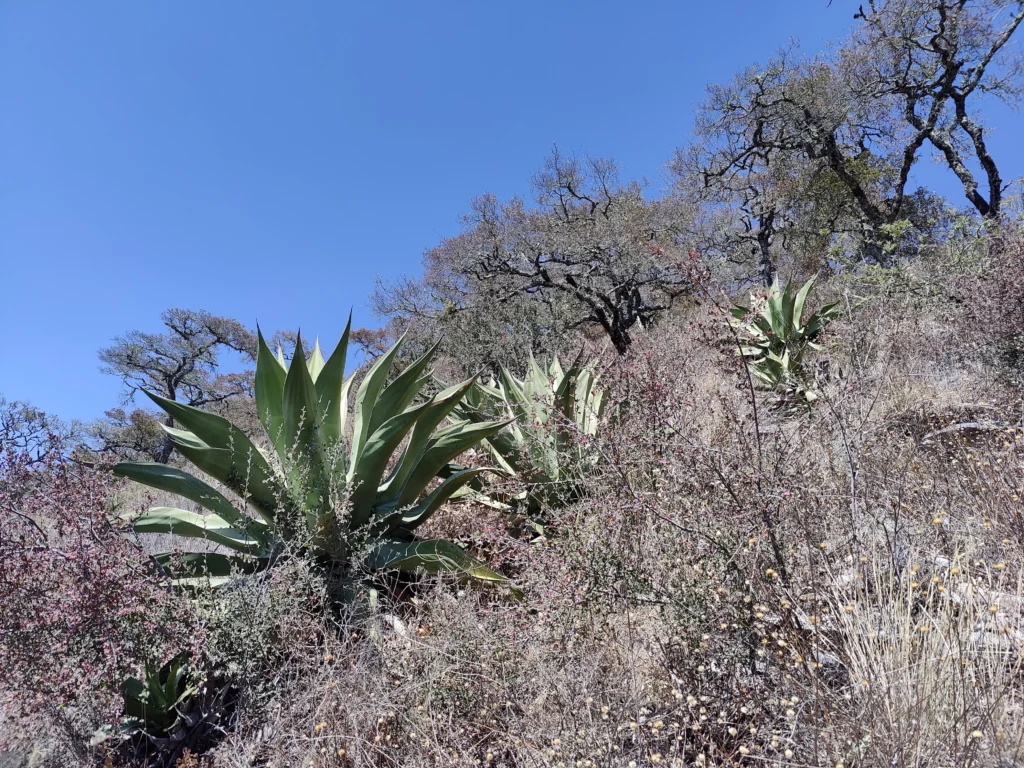
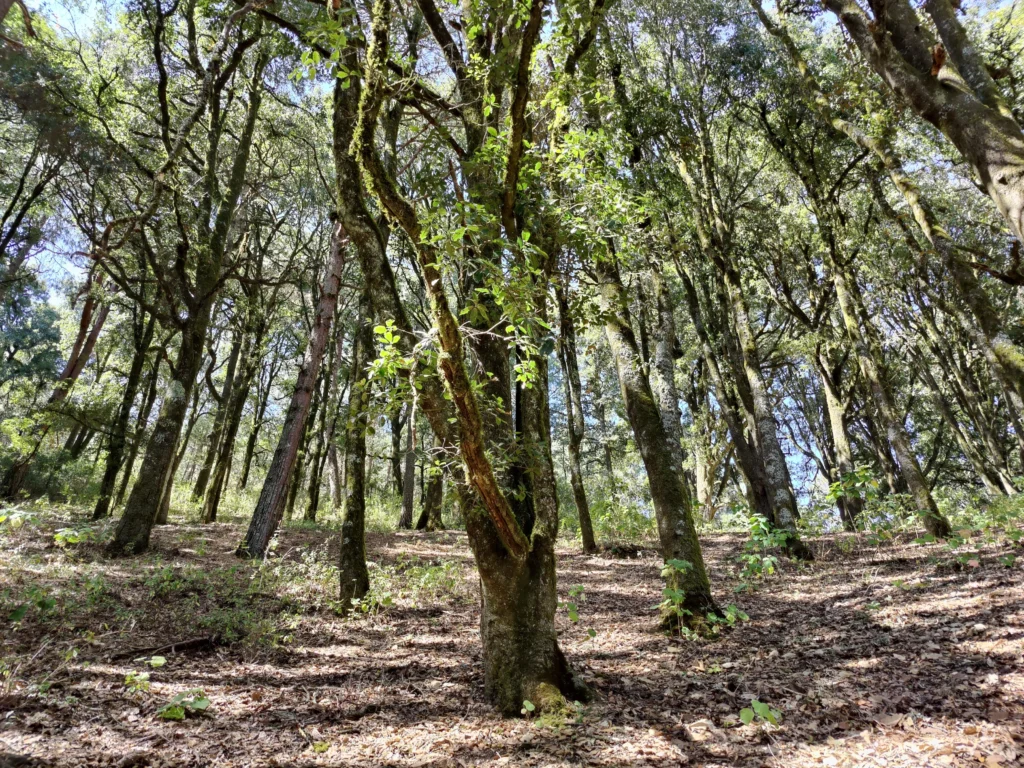
Encinos quickly became the centre of our work. Mexico’s Encino diversity is unmatched, and these trees are both resilient and vital to the ecology of the highlands. We designed the forest so that Encinos could grow alongside other keystone species, each in balance rather than hierarchy. The plan we developed contained around 3,000 plants representing more than 35 species. Each group was given its own space: Pioneers to shield the periphery, Encinos encircled by protective shrubs, Nopals and Biznagas anchoring Xeric zones, and slower dryland specialists like the Granjeno tree placed carefully to establish at their own pace.
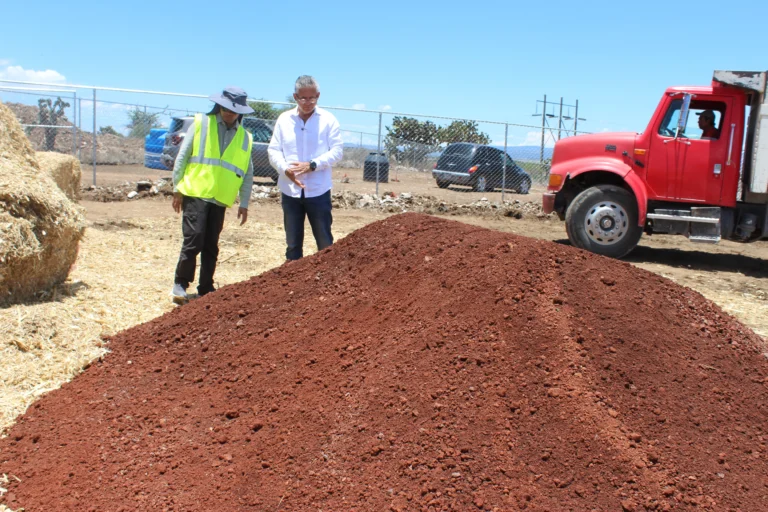
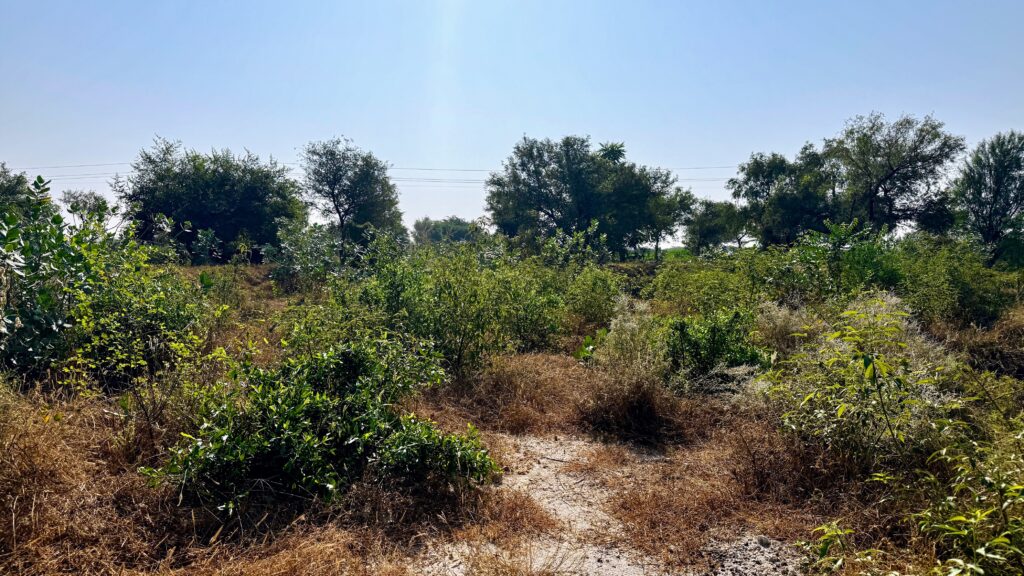
The soils of San Miguel posed another challenge. Shallow and rocky, they lacked organic matter and porosity. Based on our analysis, we prepared a soil program using Tezontle, a porous volcanic rock, to improve structure; compost tea brewed with Encino forest soils and molasses to revive microbial life; and a blend of manure and leaf compost to add fertility. These inputs were carefully measured and recorded so that the method can be replicated and scaled as the project grows.
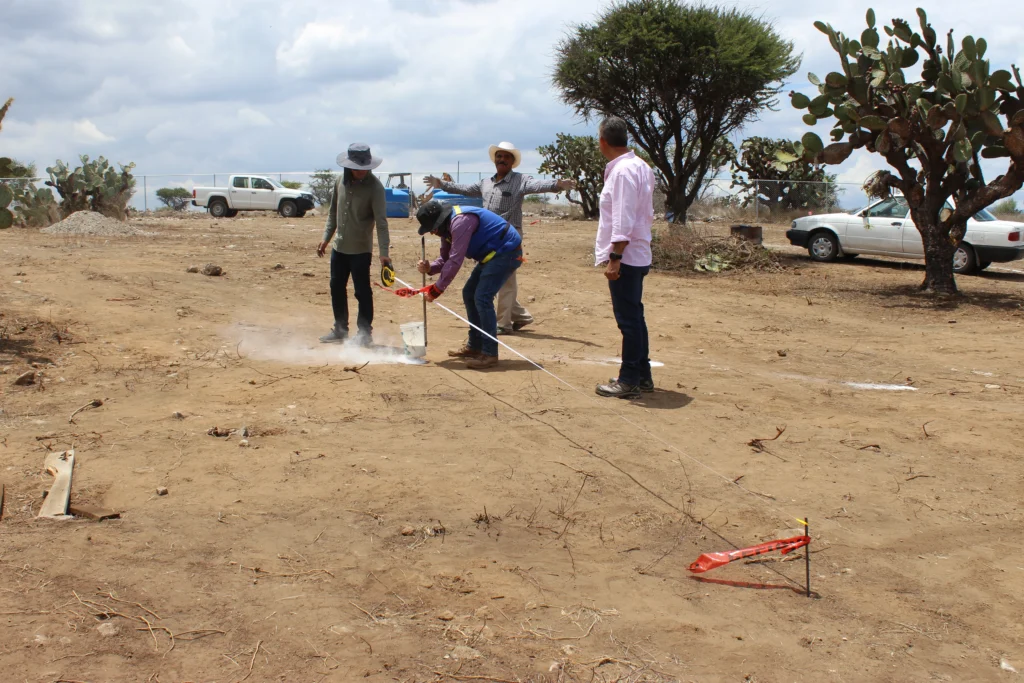
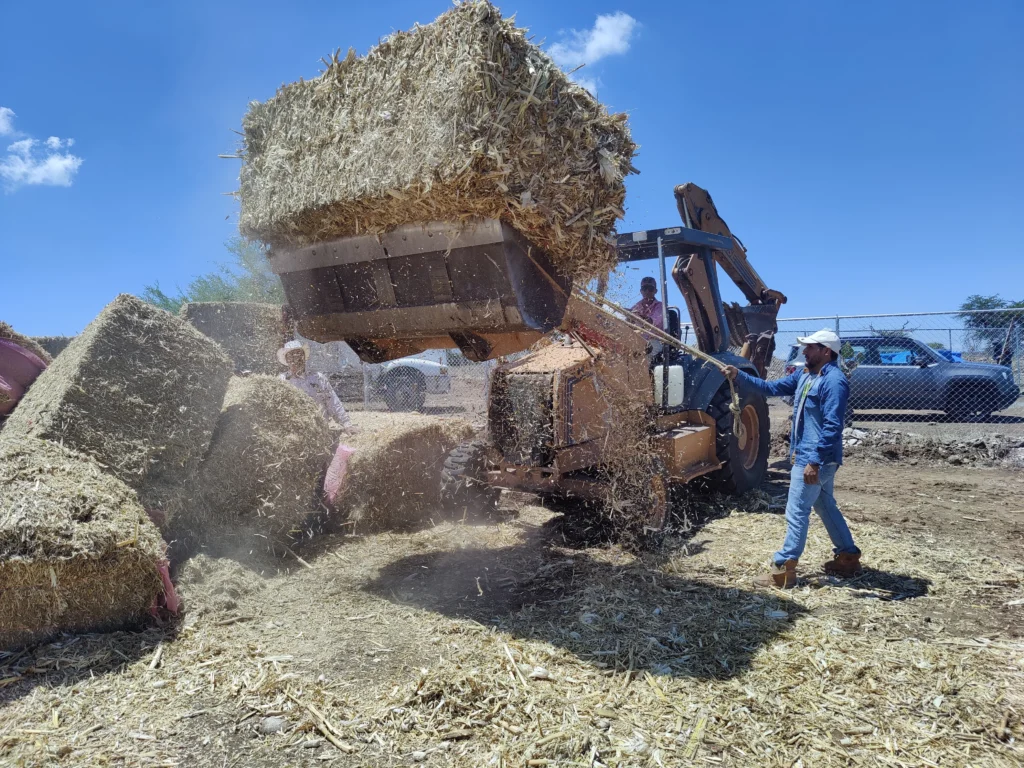
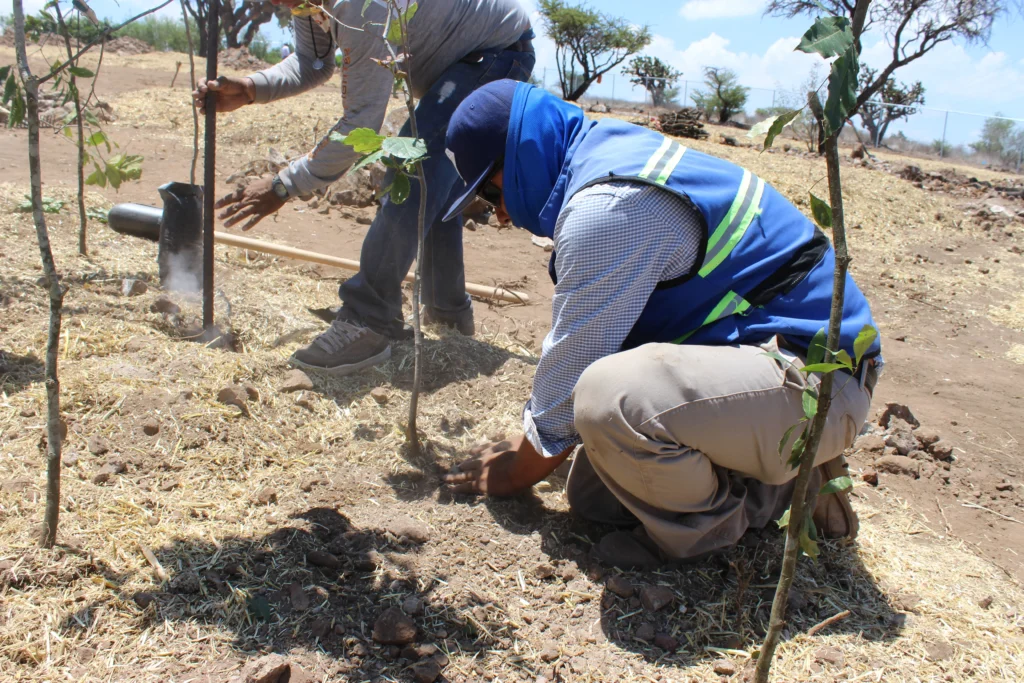
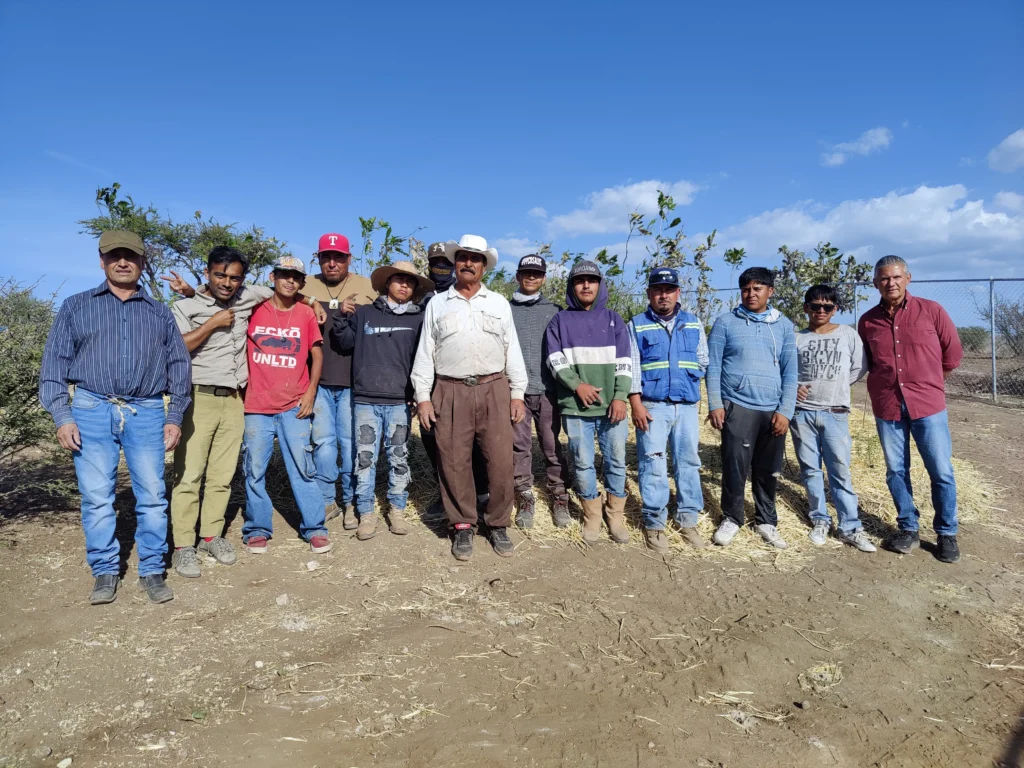
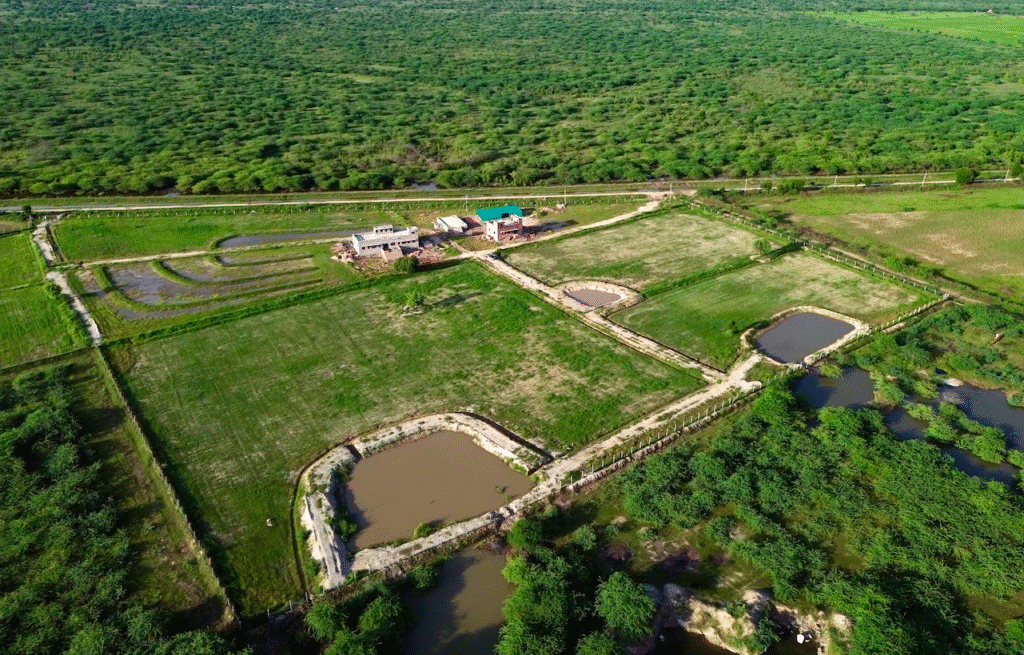
In July 2023 we returned for the second phase—implementation. For more than two weeks, our team worked with Grupo Link’s contractors and workers to bring the design to life. Man and machine came together; a fence was built, irrigation lines laid, and an on-site nursery set up. Planting followed the ecological layout: Pioneers forming the first shield, Encinos given central ground, Xeric species dominating the driest patches, and the slower growers tucked into niches where they could thrive. Machines helped break the hardest ground, and much of the planting was also done by hand, with careful attention to positioning and protection.
Beyond planting, what we delivered was a complete model for the future. The project included not only species and soil schedules but also density charts, design layouts, sound ground research, SOPs and efficient strategies. This ensures that Grupo Link can scale the forest across its development with confidence. It also means that what began in 2023 will grow into a long-term forest, backed by clear documentation and field experience.
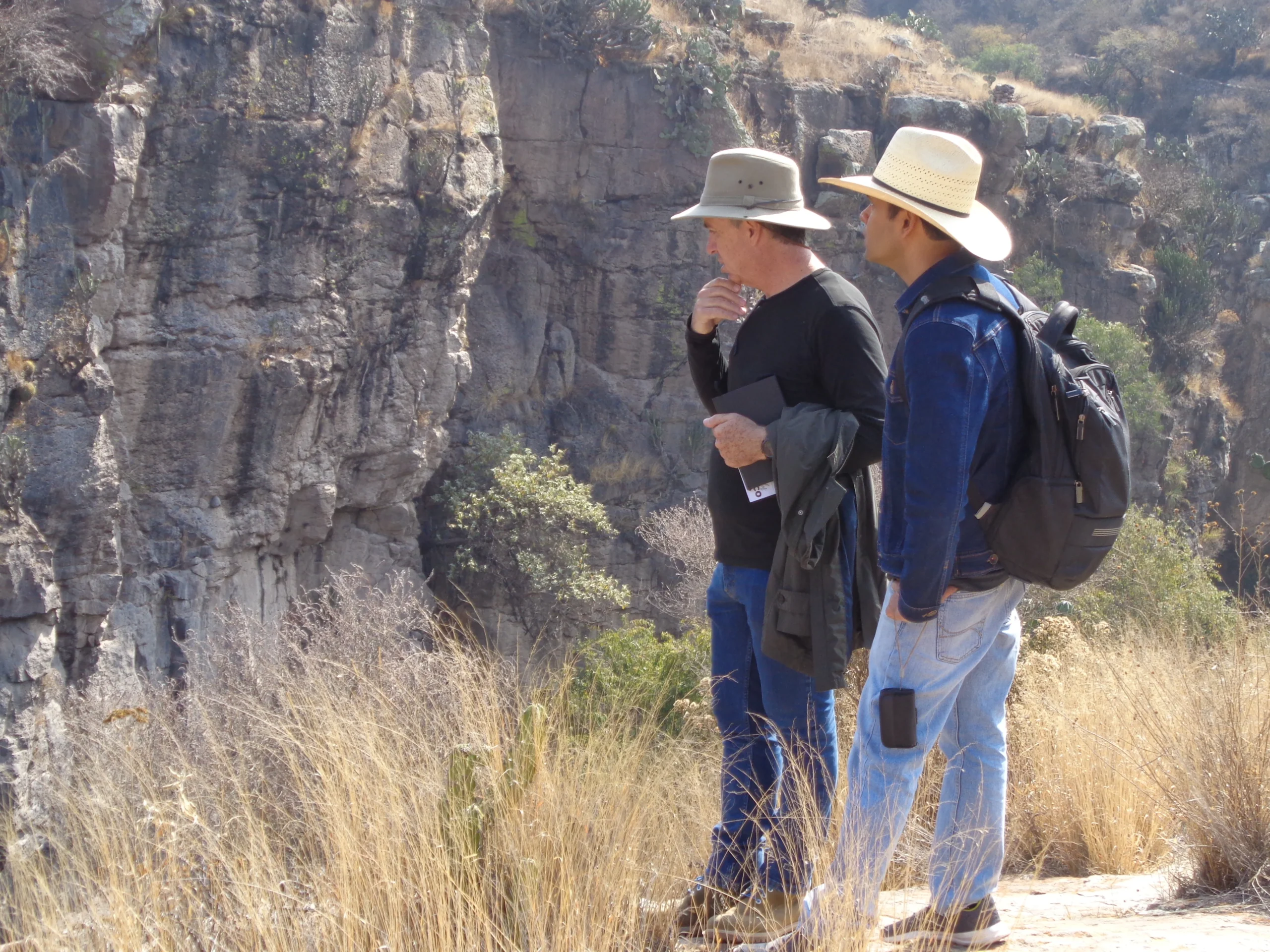
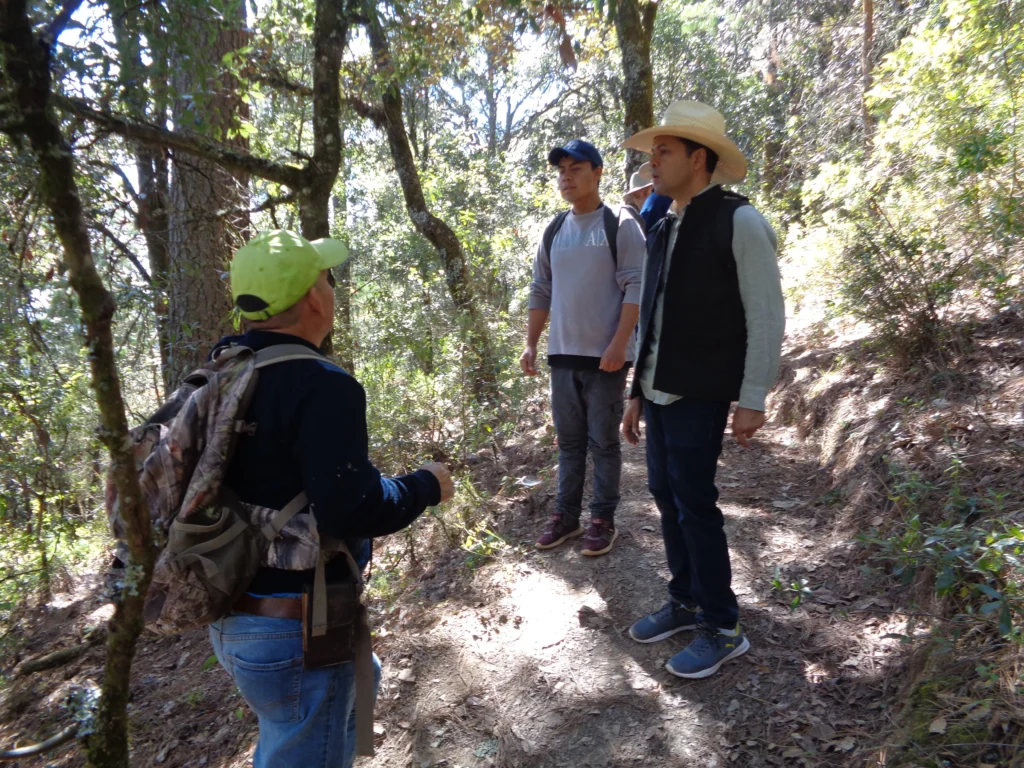
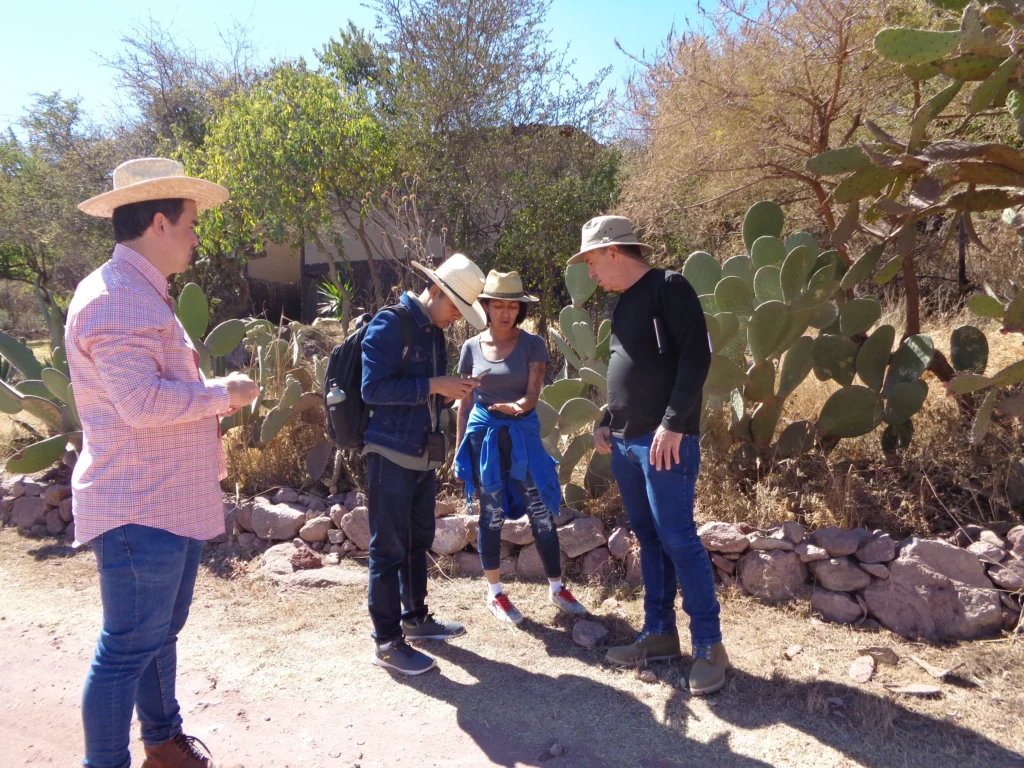
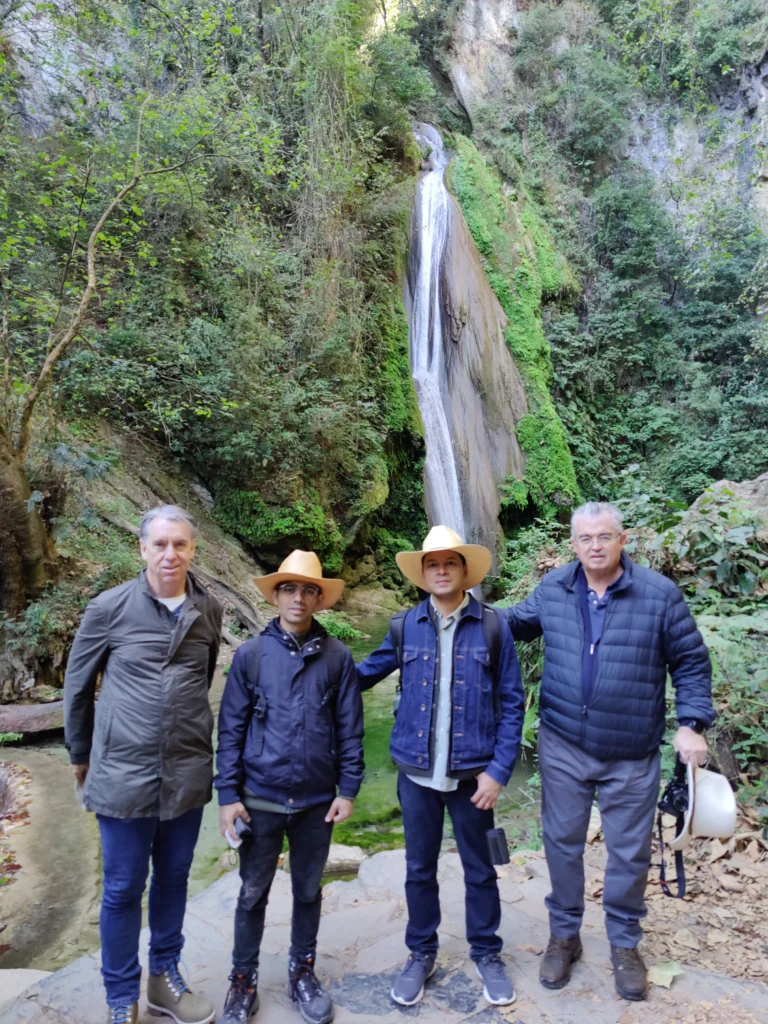
For Afforestt, this project in Mexico reinforced how we work: global in reach, precise in method, and grounded in ecology. From walking Oak forests in Guanajuato to planting saplings in San Miguel’s rocky terrain, we combined observation, design, and implementation into one flow. The result is a forest where Encinos stand at the core—an example of how modern land developments can grow around native forests, not over them.