Afforestt’s Groundwork
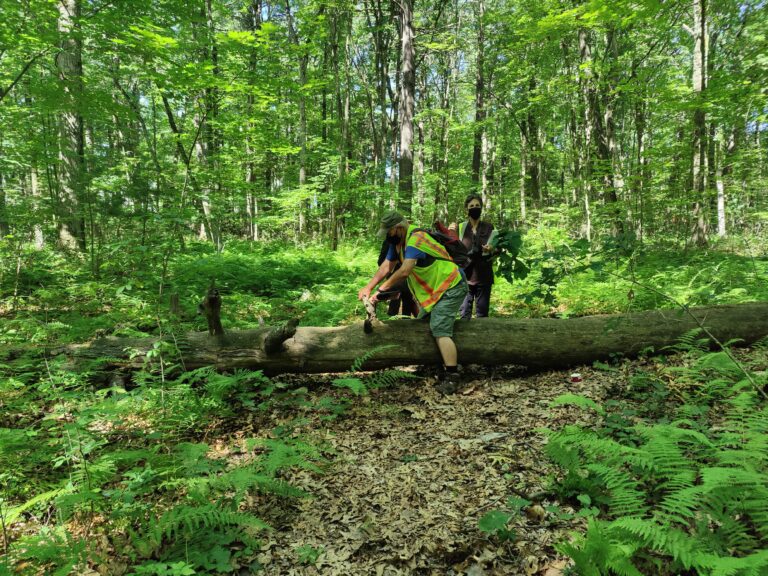
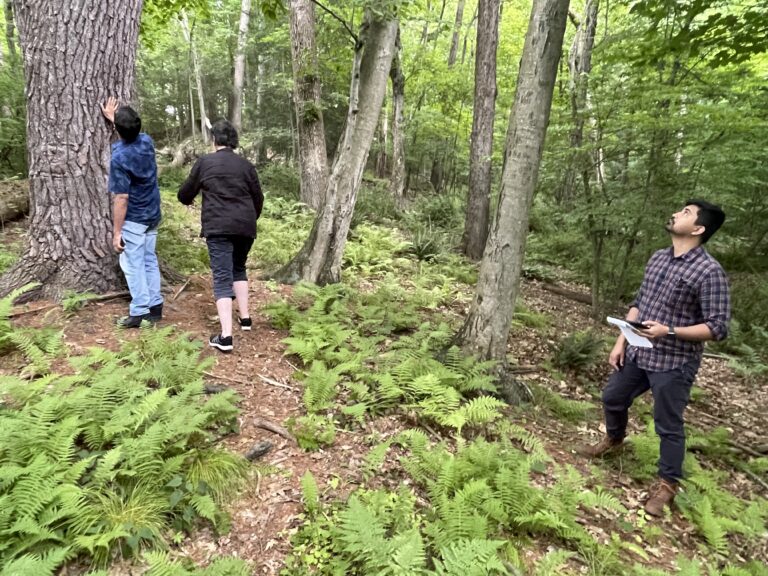
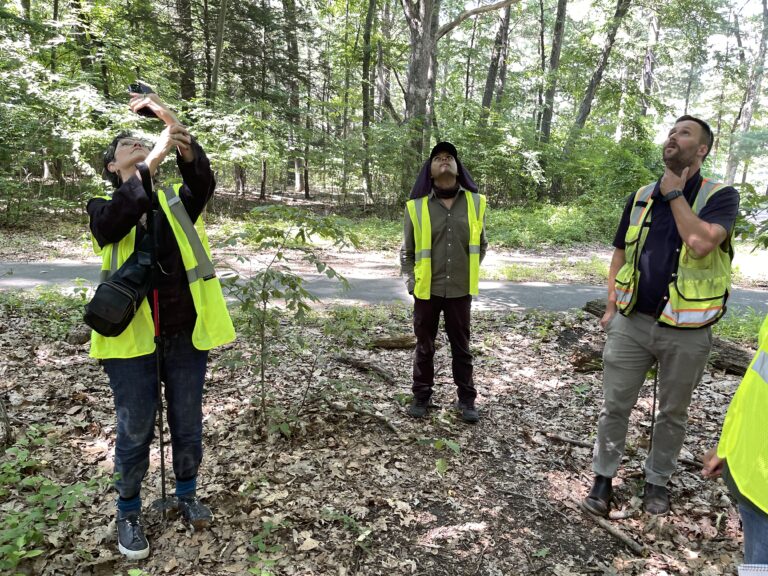
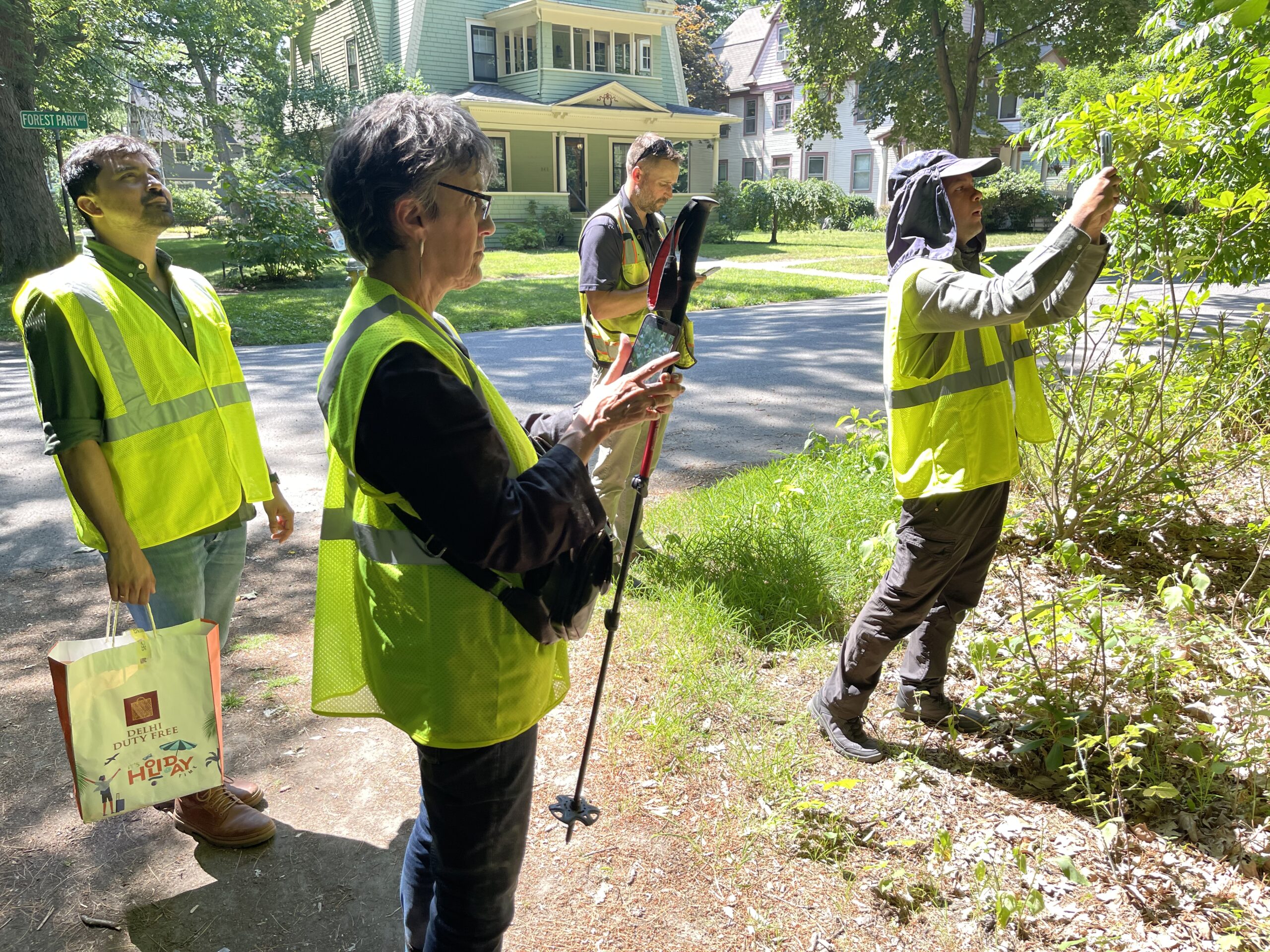
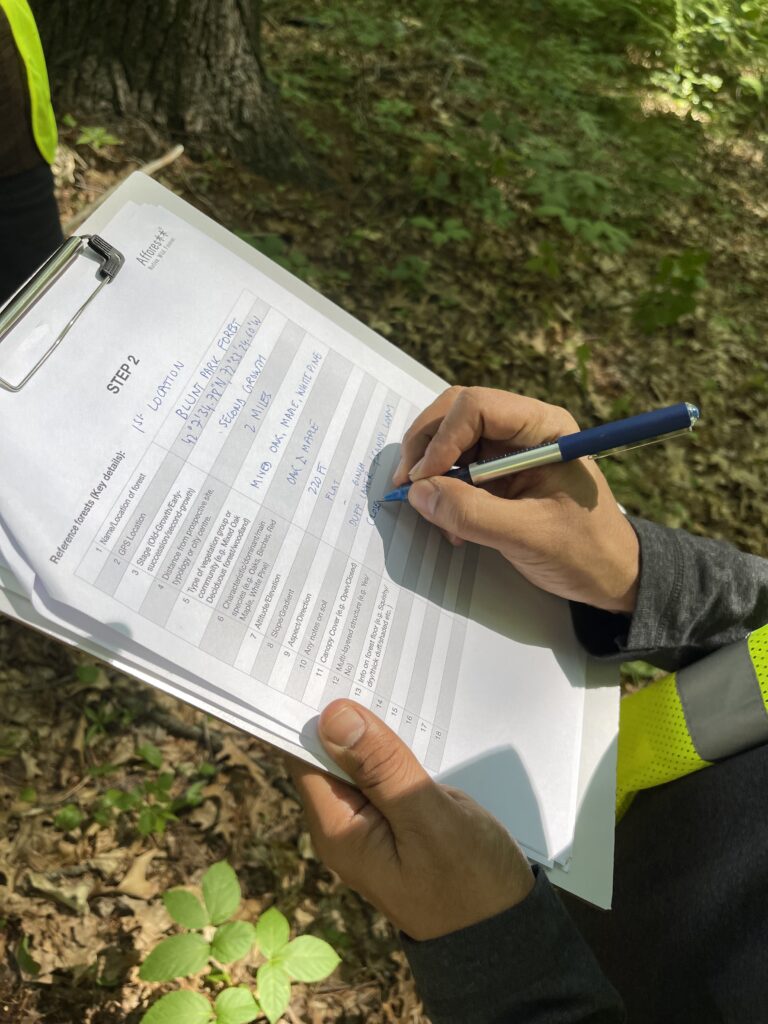
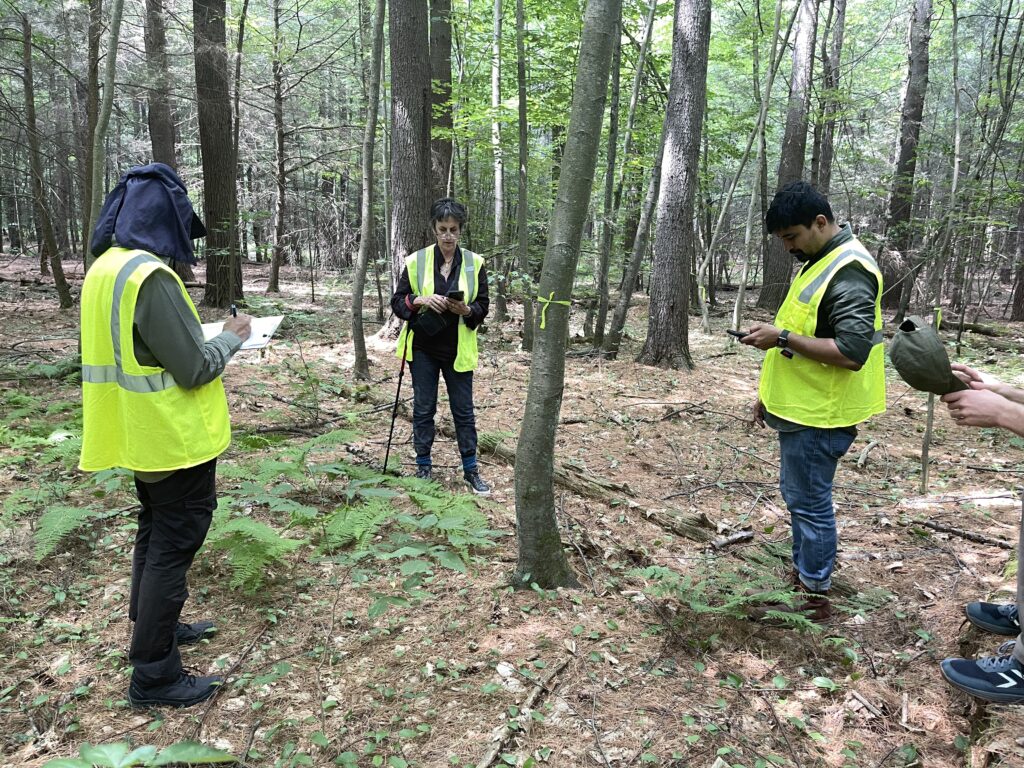
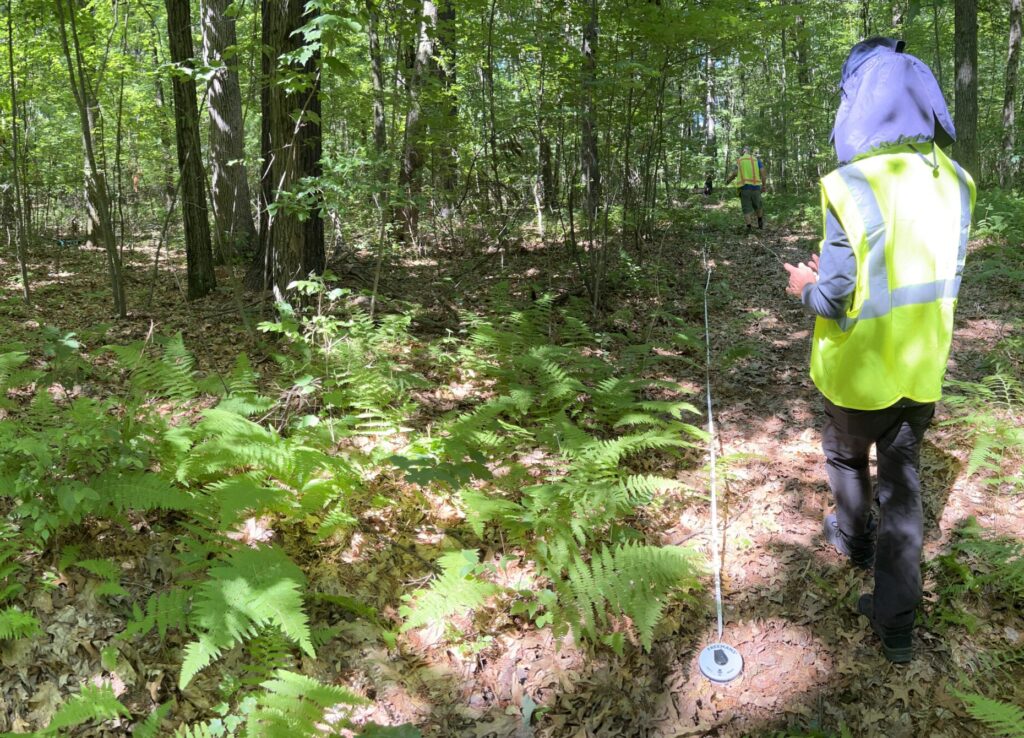
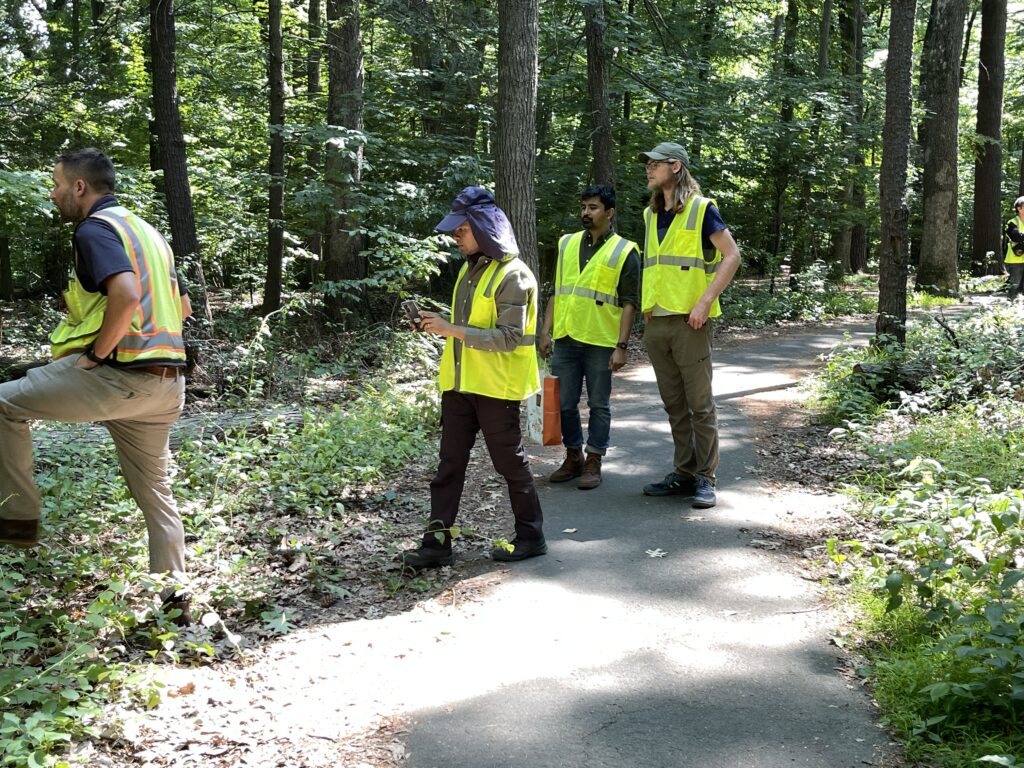
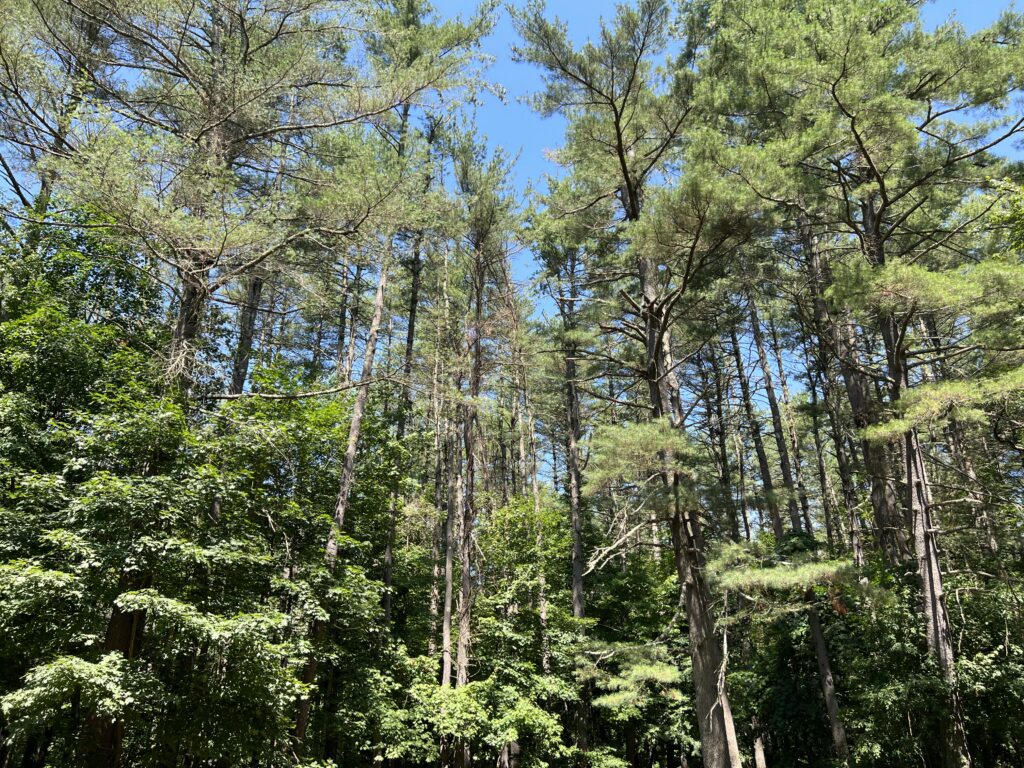
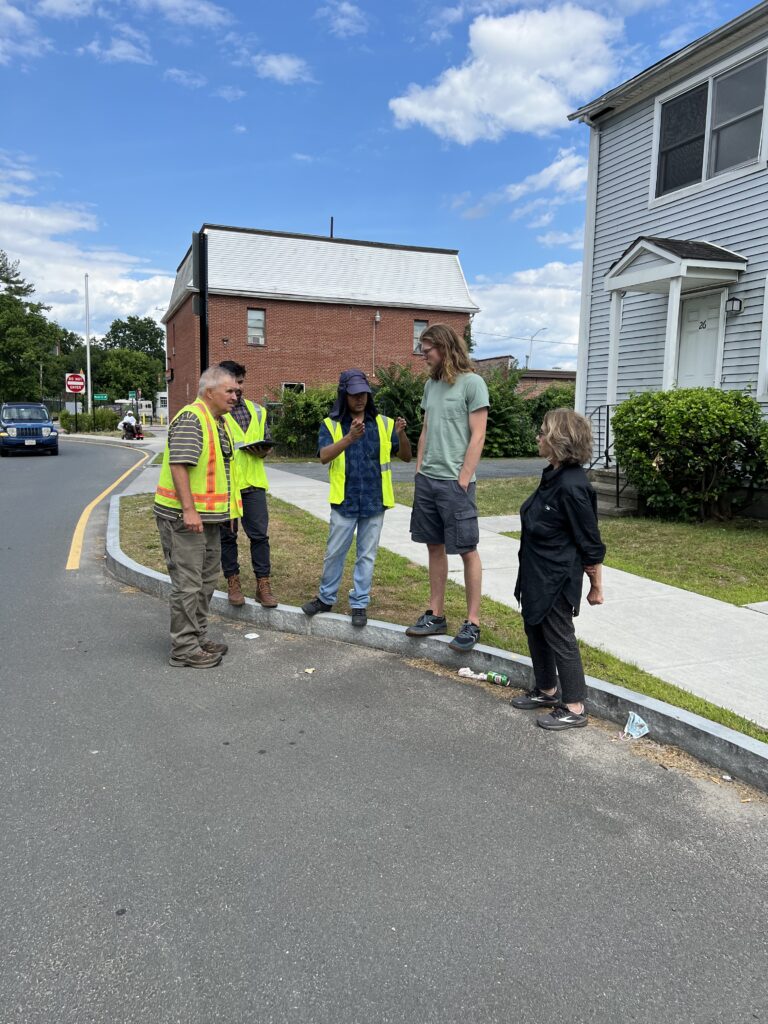
Our role began not in the studio but in the forests. We traveled across New England—surveying Blunt Park, White Cedar Bog, Mount Toby, Bear Hole Reservoir, and Forest Park. At each site, we recorded 15×15 meter relevés, capturing every plant layer from canopy to groundcover. This field data was then scaled, analyzed, and transformed into planting palettes. We provided the operational backbone: species schedules, planting densities, species phytosociology, phased groundcover plans, and design guidelines that made the vision practical and implementable.
Translating Nature into Numbers
From natural patterns, we distilled 11 plant-community groups and identified a working palette of ~70 species. Each was matched with street typologies, soil conditions, and microclimates. We calculated densities of 2–3 saplings per square meter. We combined ecological needs with logistical requirements of procurement and planting. This rigorous translation of natural systems into quantifiable design frameworks ensured the project remained scientifically grounded while scalable across American cities.
A Collaboration of Disciplines
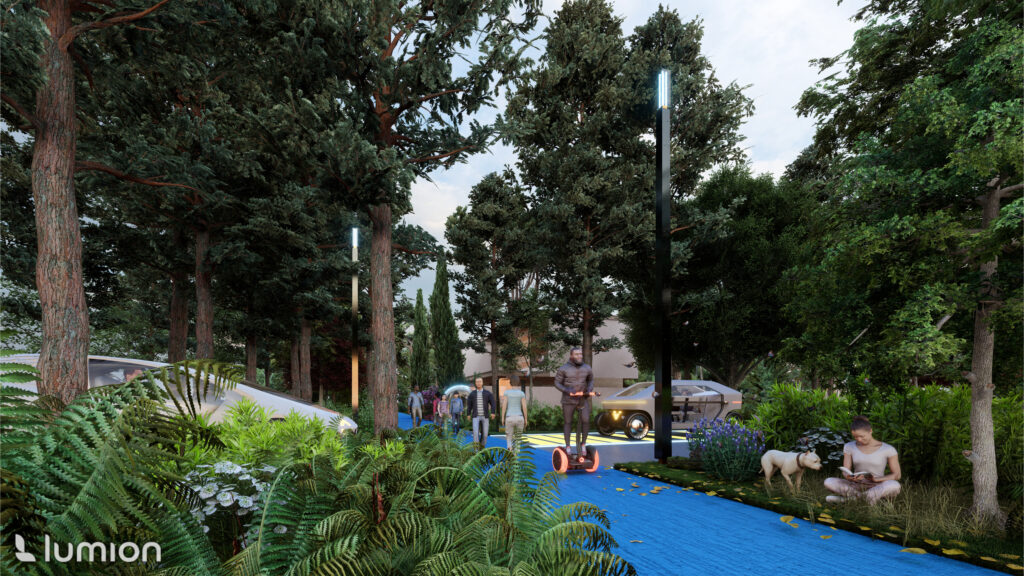
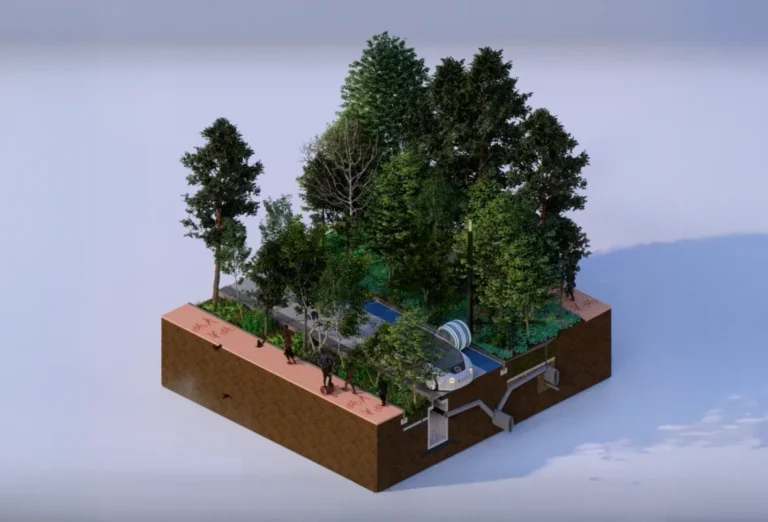
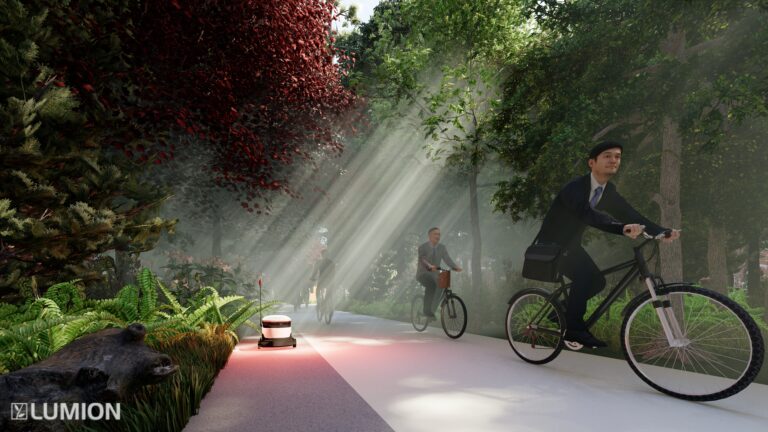
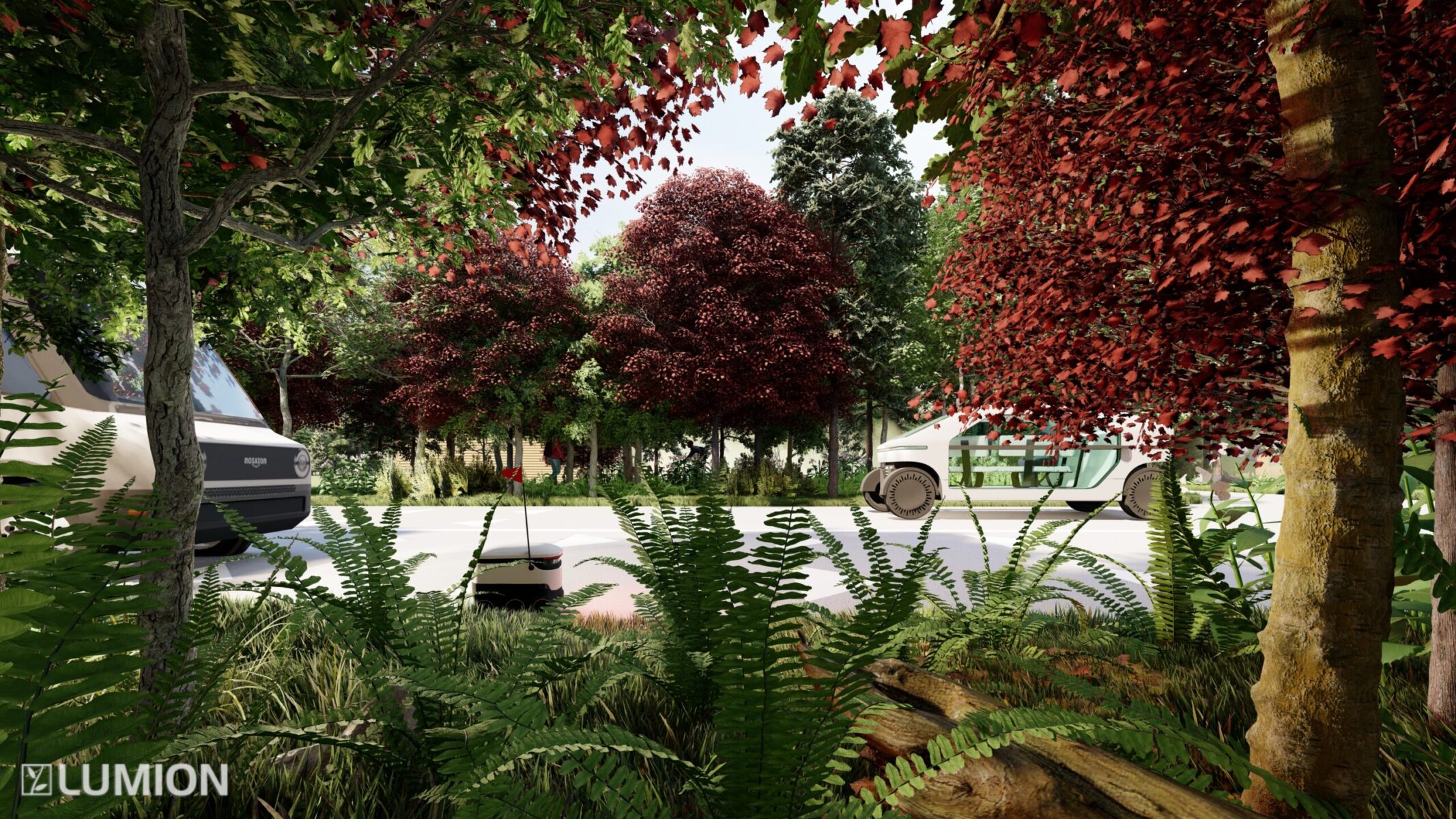
The project drew global minds: researchers, ecologists, designers and local partners committed to ecological restoration and rejuvenation. Afforestt’s contribution was to ensure the forests within this design were not ornamental, but alive—self-sustaining, native, and ecologically authentic. By merging our afforestation science with landscape architecture, stormwater design, and mobility planning, the Linear Urban Forest became more than an idea; it became a replicable model for reimagining urban infrastructure.
A Future of Urban Forests
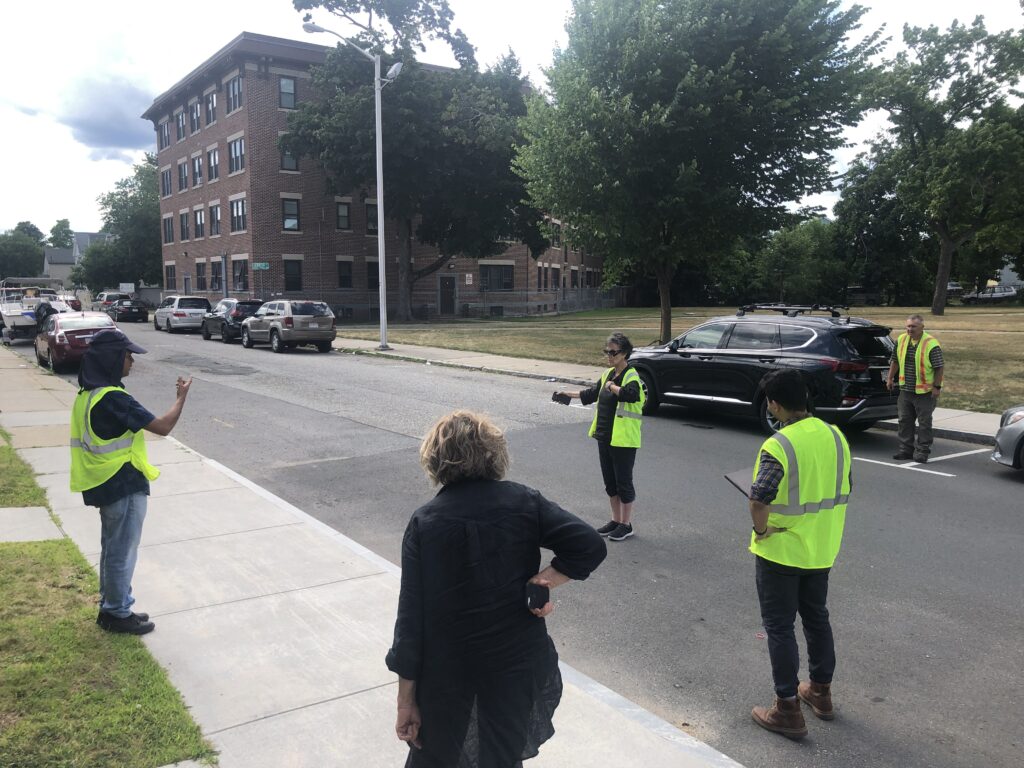
The impact of this project extends beyond Springfield or Massachusetts. It signals a paradigm shift—forests as essential urban infrastructure. In time, as electric vehicles reshape transport and cities reclaim land from unused roadways, these linear forests will cool streets, filter water, and provide a sanctuary for biodiversity. For Afforestt, this project reaffirms our mission: to build forests everywhere, from riverbanks in India to the coasts of Tunisia, and now, to the streets of American cities. The future of cities is forests.